

The dream of owning a home under the Mediterranean sun makes Mallorca one of the most sought-after locations for property investment. However, those planning to invest in a home on this beautiful island should familiarise themselves with the additional costs that arise beyond the pure purchase price. The following article aims to provide an understanding of the ancillary costs that must be considered when acquiring property in Mallorca, specifically detailing the tax aspects, fees for the notary, lawyer, and land registry entry, as well as other costs incurred throughout the entire purchase process.
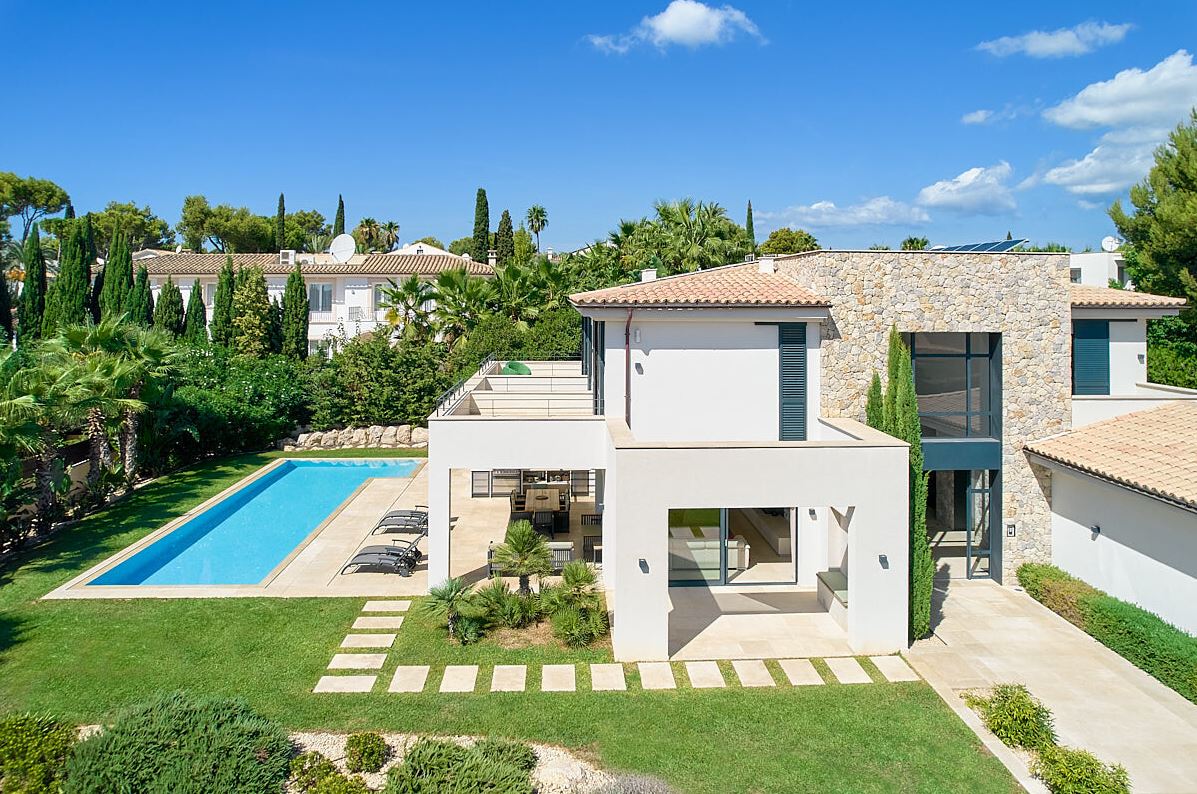
Overview of ancillary purchase costs
Anyone who decides to buy a property in Mallorca must be aware that, in addition to the actual purchase price, there are also ancillary purchase costs. The ancillary purchase costs include in particular:
- Tax payments
- Notary and land registry fees
- Agent and valuation fees
- Legal advice and other administrative costs
These items can, depending on the property type and individual circumstances, represent a significant portion of the total costs. Early, detailed planning is therefore essential to avoid unpleasant surprises.
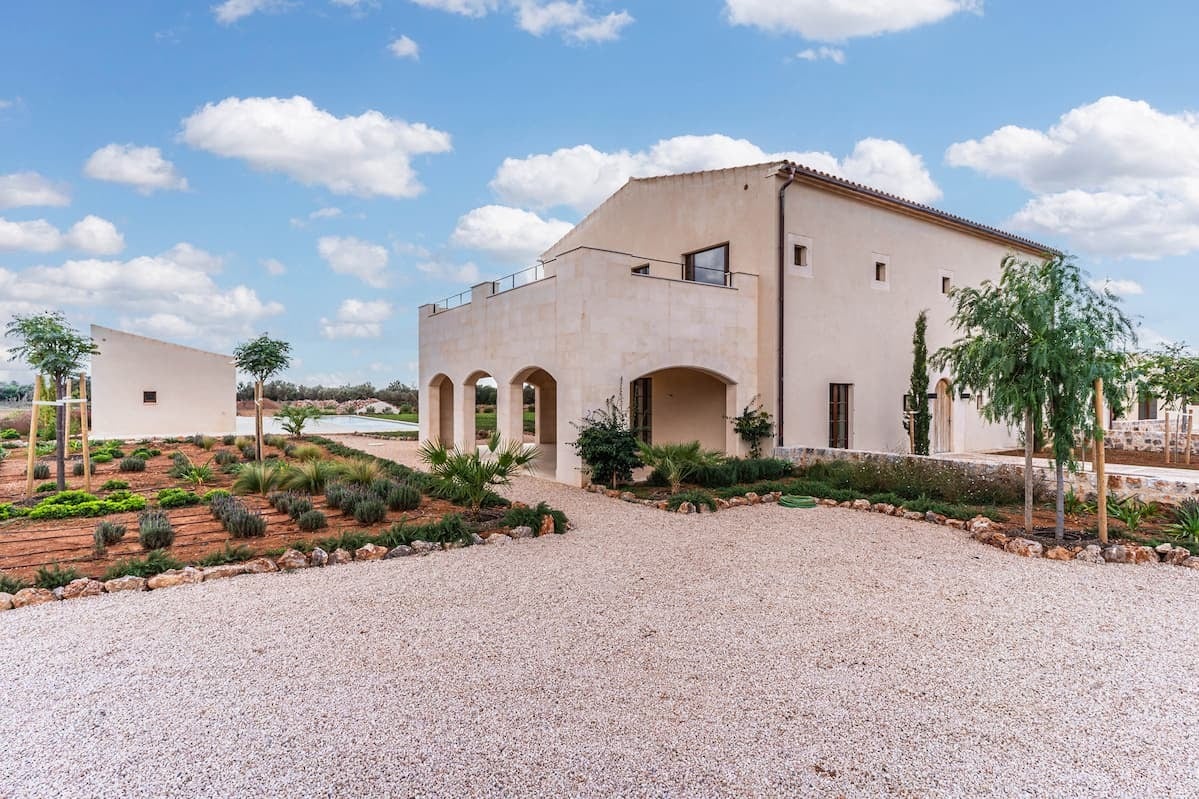
Tax liabilities and regional specificities
Transfer tax and value added tax
When purchasing existing properties, the so-called Transfer Tax (Impuesto de Transmisiones Patrimoniales, ITP) is usually payable. The tax rates vary regionally and often lie between 8 and 10 percent of the purchase price. For new builds, Value Added Tax (IVA) is often due – usually 10 percent – in addition to a Stamp Duty (Actos Jurídicos Documentados, AJD), which can be around two percent.
Important tips for tax planning
As tax regulations can change, it is advisable to obtain current information before acquiring property. Advice from a tax expert or specialist lawyer can help to correctly interpret the applicable provisions and include them in the calculation. Careful planning ensures that all tax obligations are covered and no unexpected additional costs arise.

Notary and land registry fees
The role of the notary
In Spain, the notary plays a central role by verifying the legal correctness of the purchase agreement and protecting both parties. Notary fees generally increase progressively with the value of the property, making them a significant component of the ancillary costs. The notary also ensures that all necessary documents are drawn up and certified correctly.
Entry in the land register
In addition to the notary fees, the entry of the property in the land registry also incurs a cost. This fee is necessary to make the change of ownership legally valid and should be taken into account in any calculation. An accurate estimate of these fees helps to ensure that the purchasing process proceeds smoothly and avoids later disputes.
Agent and valuation fees
Agency fees
Estate agents often play an important role in the purchasing process. However, for property buyers in Mallorca, there are no additional costs, as in Spain the seller covers the agent's commission, although there can be regional differences. Buyers should always clarify the contractual agreements in detail to gain clarity on any applicable costs.
Valuation reports and property valuations
Independent property valuations are used to determine the realistic market value of a property. These appraisals are particularly useful when there are doubts about the stated pricing or when financing is being negotiated with banks. The associated costs should also be included in the overall calculation to present the actual value of the investment comprehensibly.
Legal advice and administrative costs
Necessity for expert advice
Due to the complexity of Spanish property law and its regional variations, it is advisable to consult an experienced solicitor. They can assist with contract review, registration in the land registry, and negotiations with authorities. Legal fees may be calculated as a percentage of the purchase price or as a fixed fee, depending on the case, but are often essential to avoid future legal issues.
Further administrative costs
In addition to the main costs, further fees may apply, such as translation costs (if there is a language barrier), official permits, or certificates. Buyers should also consider that with older properties, additional expenses for expert reports and structural inspections are often necessary to accurately assess the condition of the property.

Financing and exchange rate fluctuations
Financing planning
A solid financing plan is essential to cover both the purchase price and the additional ancillary costs. International buyers, who frequently operate with different currencies, should be particularly cautious in this regard. Spanish banks require extensive documentation, and the terms and conditions can differ from those in their home countries. An early financing commitment and comparing different offers can be crucial here.
Effects of exchange rate fluctuations
For investors earning in a currency other than the Euro, exchange rate fluctuations represent an additional risk. Measures to hedge against currency fluctuations can help to avoid unforeseen additional costs and ensure the long-term stability of the investment. Comprehensive planning, involving financial experts, is therefore essential.
Long-term costs and maintenance
Ongoing costs after purchase
In addition to the one-off ancillary purchase costs, future ongoing costs should be included in the planning. These include maintenance costs, fees for communal facilities in residential complexes, and annual tax payments. These regular expenses affect the long-term profitability of the property and should be integrated into financial planning at an early stage.
Cost-efficiency strategies
To minimise long-term financial burdens, it is advisable to develop cost-efficiency strategies early on. Regular maintenance and preventive upkeep measures can help avoid larger expenses in the future. Likewise, professional property management can assist in transparently and efficiently controlling all incurred costs.
Cultural and regional peculiarities
Differences to other property markets
Mallorca is characterised by cultural and legal particularities that can differ from other countries. For example, in Germany, broker fees are often split between buyer and seller, whereas in Spain, it is frequently the seller who covers these costs. Such differences necessitate precise knowledge of the local market and individualised advice.
The importance of local expertise
Anyone investing in property in Mallorca benefits from working with local experts. These individuals are intimately familiar with the regional conditions, specific tax regulations, and administrative processes. Therefore, well-founded advice from local professionals is a crucial building block for a successful and smooth purchasing process.

The emotional aspect of buying property
Between dream and reality
Buying property in Mallorca is not just a financial decision, but also an emotional one. The island's allure, the Mediterranean way of life, and the prospect of living under the sun combine to create an irresistible offer. Nevertheless, it is important to carefully calculate all financial aspects to avoid jeopardising the dream through unexpected costs.
Long-term investment and quality of life
Careful planning of ancillary purchase costs helps to ensure that the investment is sustainable and profitable. Buyers who understand property acquisition as a long-term capital investment and a contribution to a better lifestyle benefit not only financially but also in terms of quality of life. The combination of financial security and emotional well-being makes property acquisition a complex but rewarding project.
Buying property in Mallorca is a multi-faceted process where ancillary purchase costs play a crucial role. From tax duties, notary and land registry fees, to estate agent commissions, legal advice and other administrative costs – all these items must be included in the overall planning. A detailed financing plan, taking into account both one-off and ongoing expenses, is essential to realise the dream of a property under the Mediterranean sun.
The decision to invest in a property in Mallorca requires a sound financial concept as well as the support of experienced professionals. Only in this way can the regional specificities and legal frameworks be fully understood and optimally utilised. With the right preparation and comprehensive planning, the property purchase will not only be a financially viable investment, but also a fulfilling step into a new chapter of life.