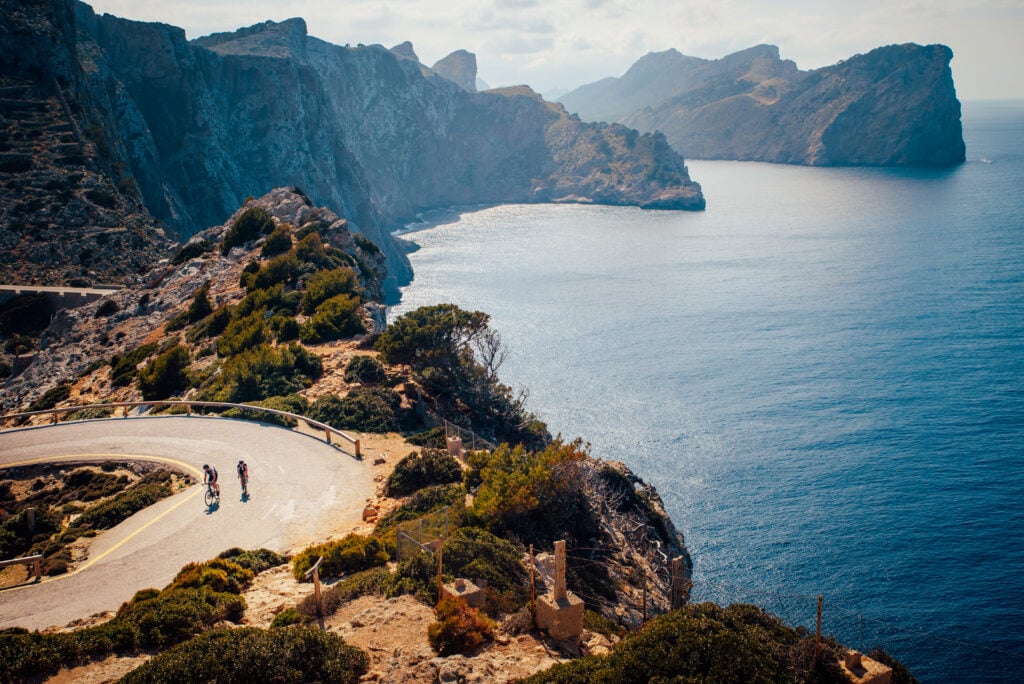
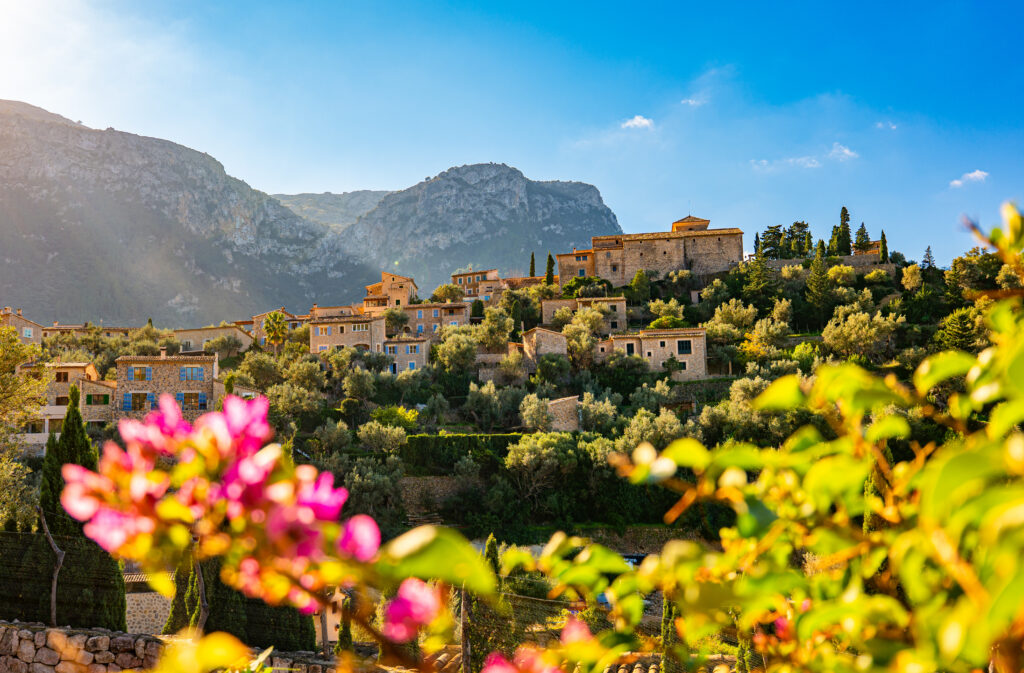
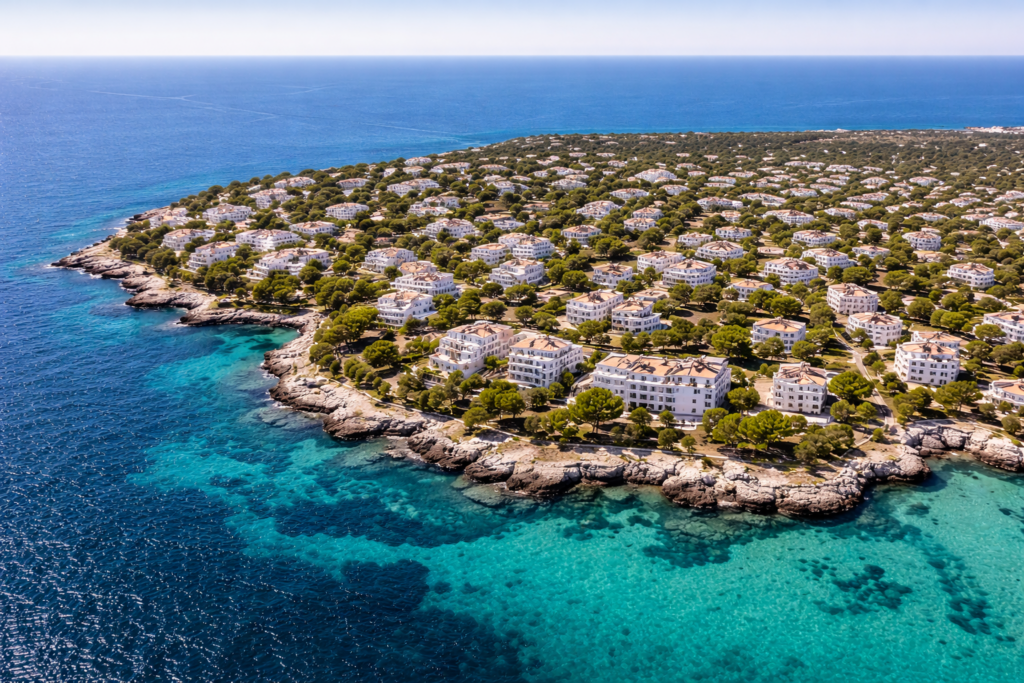
Weekly markets on Mallorca are part of everyday life on the island. It's not just about shopping, but also about meeting people, regional products, and typical life among the stalls. Each market tells its own story. Some are loud and lively, others quieter and almost village-like. Their character is shaped by their surroundings, the landscape, and the people who create them week after week. This offers you an excellent opportunity to get to know the Mediterranean way of life up close.
To help you plan your market visit, below is a clear overview of the current weekly markets in Mallorca with their respective market days.
We will also tell you which markets are particularly worthwhile and when is the best time to visit them.
Market days in Mallorca at a glance
Many places in Mallorca have a fixed market day each week, so the weekly markets are spread across different regions. This makes it easy to combine a visit with excursions without having to plan long detours. The following overview shows you which places in Mallorca offer weekly markets on which days:
- Monday: Caimari, Calvià, Manacor, Montuïri, Sóller
- Tuesday: Alcúdia, Artà, Campanet, Porreres
- Wednesday: Andratx, Capdepera, Llucmajor, Port de Pollença, Santanyí, Sineu
- Thursday: Campos, Inca, Sant Llorenç des Cardassar, Ses Salines, Pòrtol
- Friday: Binissalem, Can Picafort, Llucmajor
- Saturdays: Alaró, Bunyola, Cala Ratjada, Esporles, Magaluf, Palma de Mallorca, Portocolom, Santanyí, Sóller
- Sunday: Alcúdia, Consell, Felanitx, Llucmajor, Pollença, Porto Cristo, Santa Maria del Camí, Valldemossa
Tip: Most weekly markets in Mallorca take place in the morning and usually start early. For a more relaxed atmosphere, it is best to visit early in the morning, as it often gets much busier later on. Around noon, the market usually winds down gradually, as many stalls are already packing up.
The most beautiful weekly markets in Mallorca
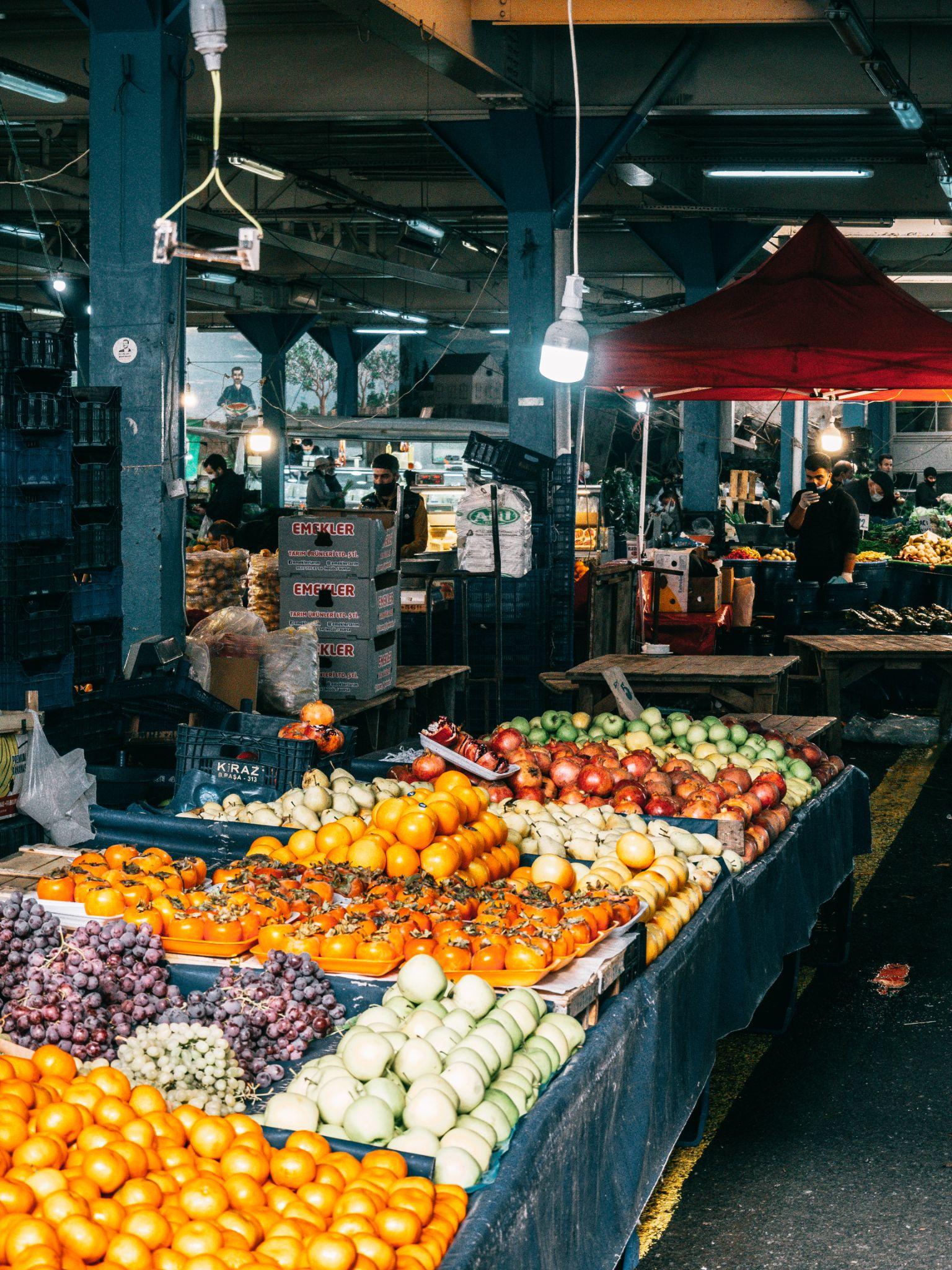
As a German real estate agent in Mallorca, we are just as familiar with the different regions of the island as we are with its weekly markets. Over the years, it has become very clear which markets are popular and impress with their offerings and atmosphere. For us, these five weekly markets are among the most beautiful because they make the character of their surroundings particularly tangible and show Mallorca from its authentic side.
1. Weekly market in Sineu
The market in Sineu takes place on Wednesdays and is one of Mallorca's best-known weekly markets. Sineu is located in the interior of the island and has been a central meeting place for trade and exchange for centuries. People from the surrounding area come together at the market, do their shopping, and strike up conversations.
The range of goods on offer focuses primarily on agricultural products, food, tools, and everyday items. Many stalls are run by traders from the immediate surrounding area, which is why the products often originate from the region. The market has a down-to-earth and lively atmosphere, yet remains easy to navigate. The atmosphere is at its most authentic in the early morning, when many regular customers come to do their shopping at their usual times.
2. Weekly market in Inca
The weekly market in Inca is held on Thursdays and is one of the largest on the island. The town is economically oriented, and the market is organized accordingly. Wide aisles, numerous stalls, and a large selection characterize the market. Overall, Inca appears significantly more urban than many smaller market towns and attracts people from a larger area.
Inca has historically been closely linked to leather processing, which is still evident in the market today. Bags, belts, and shoes occupy a permanent place and complement the classic market offerings of food, textiles, and household goods.
3. Weekly market in Alcudia
The weekly market in Alcúdia takes place on Tuesdays and Sundays within the historic city walls. Thanks to its unique setting, the market is also attractive to many visitors. Due to its location in the old town, the market can be experienced differently depending on the time of day, sometimes quieter, sometimes much busier.
The range of products on offer is wide. In addition to fresh food, there are handcrafted products, textiles, and goods that are more geared toward walk-in customers. At the same time, the market remains relevant for the local population. The alleys are less crowded in the early morning hours in particular. Then it belongs to the people who are shopping for specific items and organizing their daily lives.
4. Weekly market in Andratx
The weekly market in Andratx takes place on Wednesdays and is fairly small. Andratx is located in the southwest of the island, not far from Mallorca's famous coastal road, which makes it easily accessible and attracts visitors from different regions. Overall, the market seems quieter than many larger weekly markets and is characterized by a mix of international visitors and local residents.
The range of products on offer is rather selective: the focus is on fresh produce, flowers, textiles, and handcrafted goods. Many stalls emphasize quality and personal service. This creates a pleasant shopping atmosphere where conversation comes naturally and shopping can be enjoyed without time pressure.
5. Weekly market in Santanyí
If you are looking for a different market experience to the weekly market in Palma, Santanyí is well worth a visit. The market is held on Wednesdays and Saturdays and is smaller and more spacious in comparison. Architecture, art, and even a German community give the place its own unique character, which is also reflected in the market.
The focus is on arts and crafts, design, jewelry, and high-quality food. The range is complemented by selected local products such as porcelain and olive oil. Many visitors use their visit to the market as an opportunity to take a relaxing break in one of the surrounding cafés and soak up the special atmosphere of the place over breakfast or coffee.
Other weekly markets in Mallorca for regional discoveries
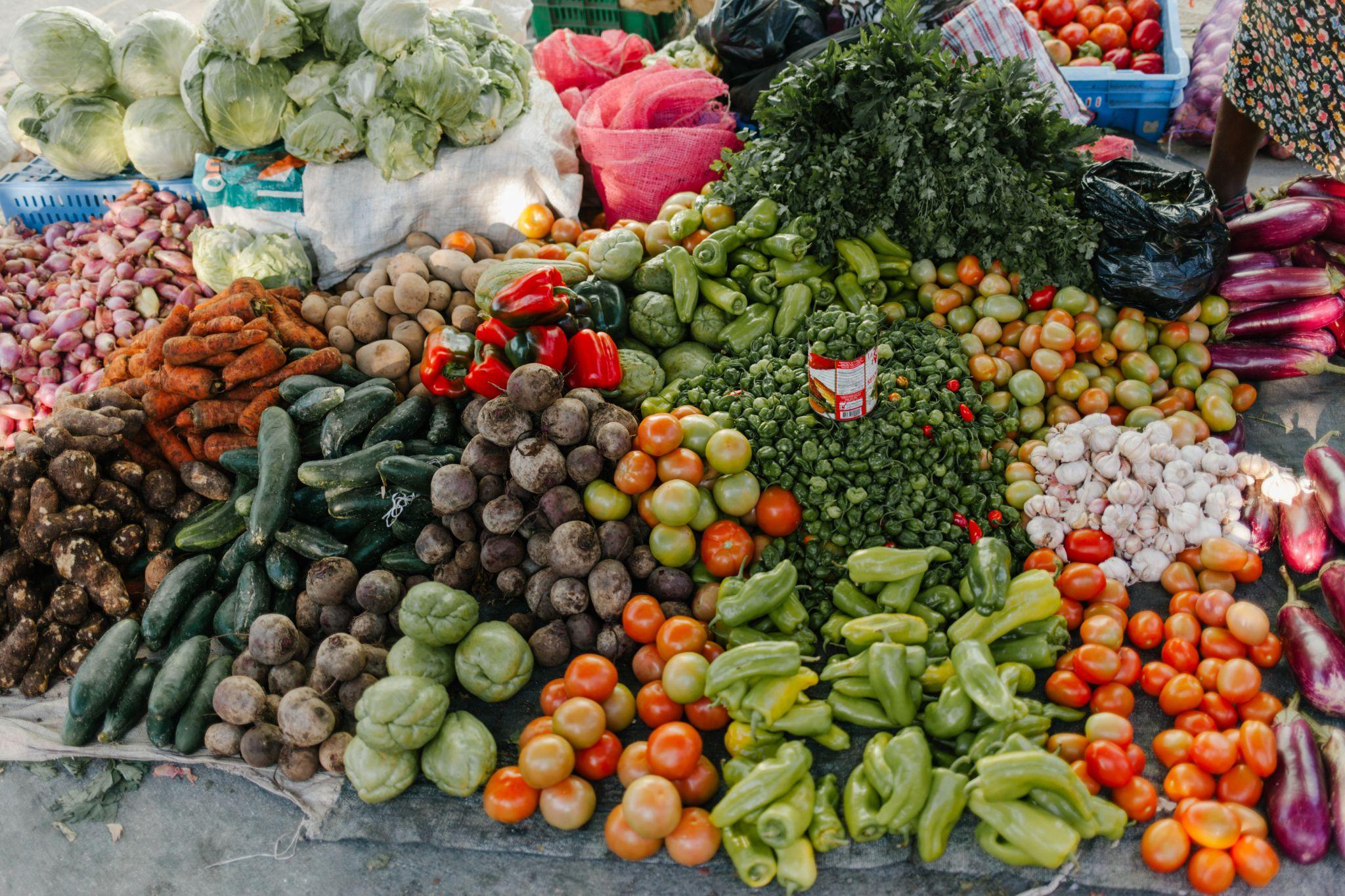
In addition to the well-known weekly markets, Mallorca also has numerous smaller markets that are often located away from the tourist hustle and bustle. Places such as Santa Maria del Camí, Artà, and Pollença offer a quieter market environment and show how differently weekly markets can develop depending on the region. In such quiet places on Mallorca, the focus is on clarity, regional products, and a relaxed pace. The markets are usually simply structured and reflect the needs of the people who live and shop here.
As a luxury real estate agent in Mallorca and a family-run business, we have known the island in all its facets for many years. This includes not only locations and properties, but also the towns and markets that shape Mallorca's character. If you take the time to visit various weekly markets, you will quickly discover how much you can learn about the island from these moments. Weekly markets offer a great opportunity to become more aware of Mallorca and develop a feel for regions that are far off the beaten track.
Frequently asked questions about weekly markets in Mallorca
When are the weekly markets held in Mallorca?
Weekly markets in Mallorca are usually held on fixed days of the week and are spread across the entire island. Most markets take place in the morning and end around noon. Each town usually has one fixed market day per week, with larger cities sometimes having several.
Which weekly markets in Mallorca are particularly worth seeing?
Weekly markets in Mallorca are considered particularly worth seeing, impressing visitors with their variety, atmosphere, or regional focus. For many visitors, the following criteria play a key role:
- Structure & size: clearly laid out or deliberately large-scale
- Offer: regional food, crafts, specialties
- Surroundings: Old town, island interior, or near the coast
- Audience: predominantly local or international visitors
Depending on your location and interests, it is worth trying out different weekly markets in Mallorca, as each market has its own focus.
When is market day in Cala Ratjada?
Market day in Cala Ratjada is on Saturdays. The market is compact and centrally located in the town, making it easily accessible. It offers fresh food, textiles, and typical market goods for everyday needs. Thanks to its location near the coast, a visit to the market can be easily combined with a walk or a visit to a café. Especially in the high season, it is advisable to visit early, as the market is popular with guests and locals alike.
Is there a weekly market in Palma?
Yes, there are several weekly markets in Palma, which take place on different days and in different parts of the city. Compared to smaller towns, the weekly market in Palma is more urban and offers a wide range of products. In addition to fresh food, you can find textiles, household goods, and international products. Due to the size of the city, the markets are spread out, which makes them easy to integrate into everyday life and also interesting for longer stays.
What makes the market in Manacor special?
The market in Manacor takes place on Mondays and is strongly geared towards regional demand. It is mainly used by people from the surrounding area and has a functional and down-to-earth feel. Typical for the market in Manacor:
- Regional foods
- Products for the home and everyday life
- Clear structure
The market is particularly suitable for anyone looking for an authentic weekly market without heavy tourist traffic.