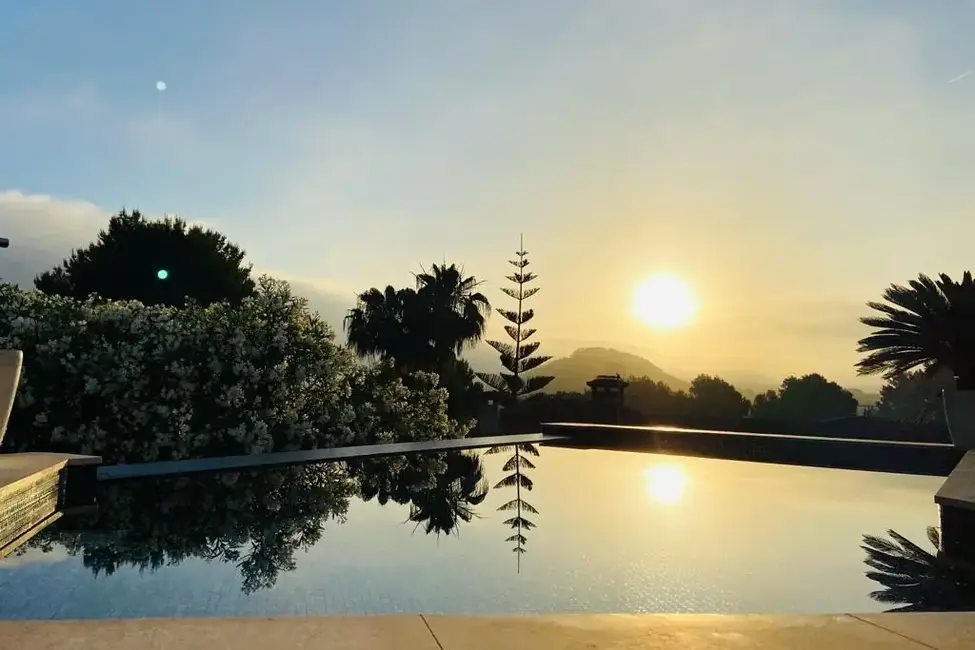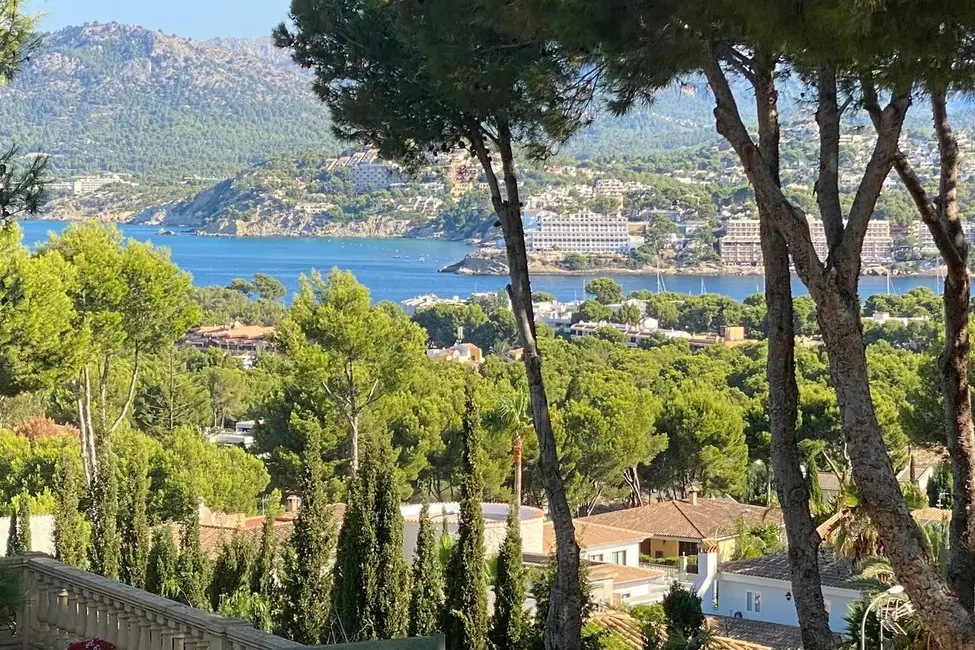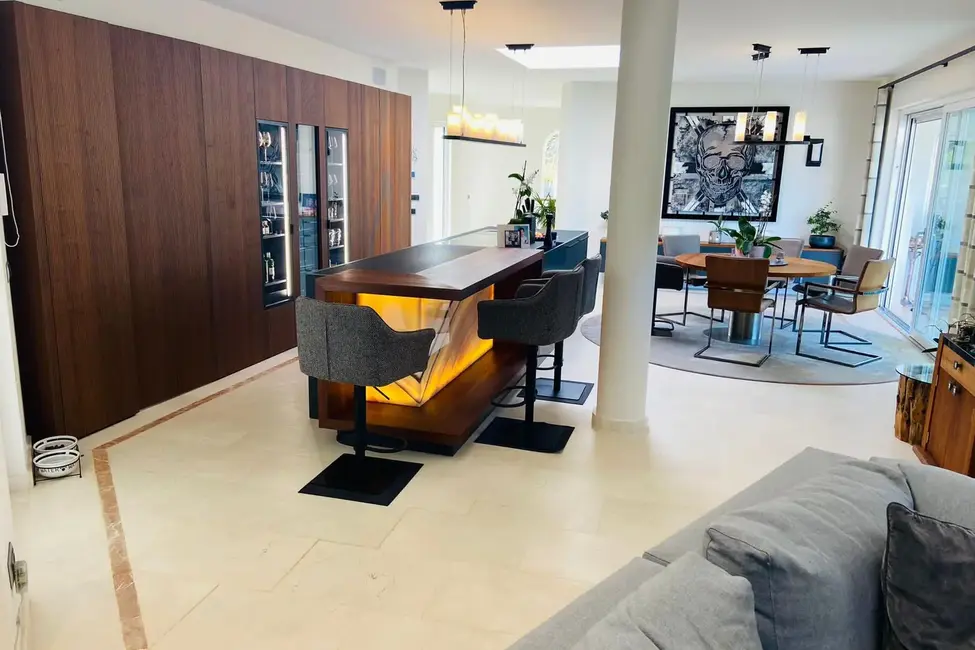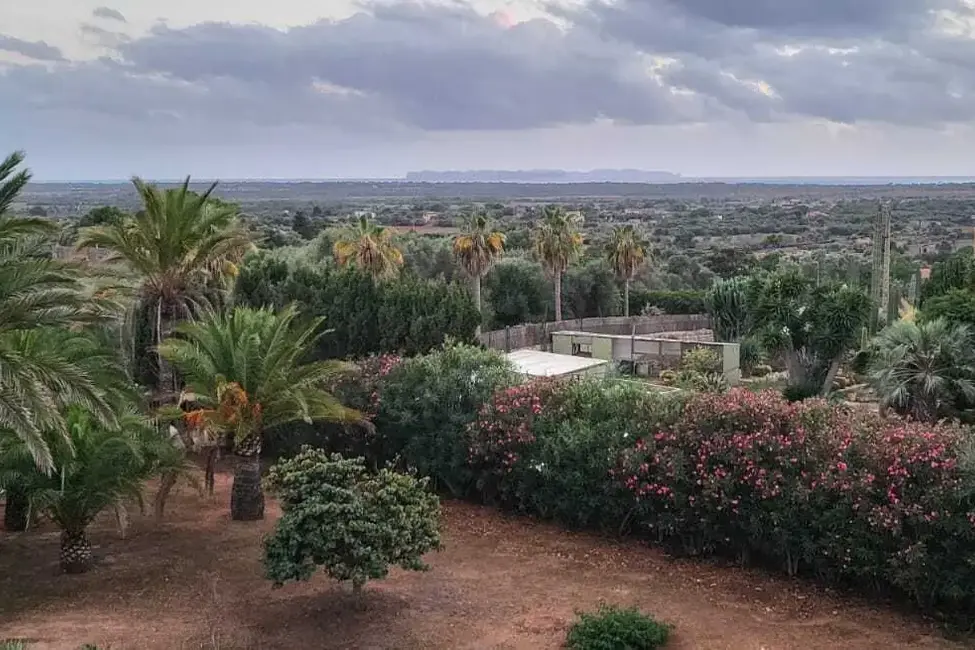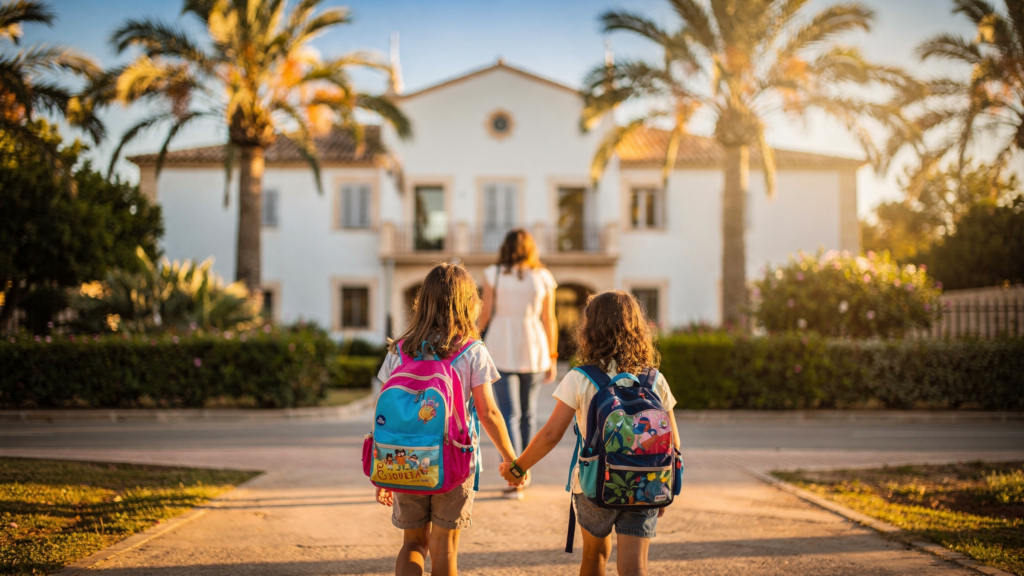
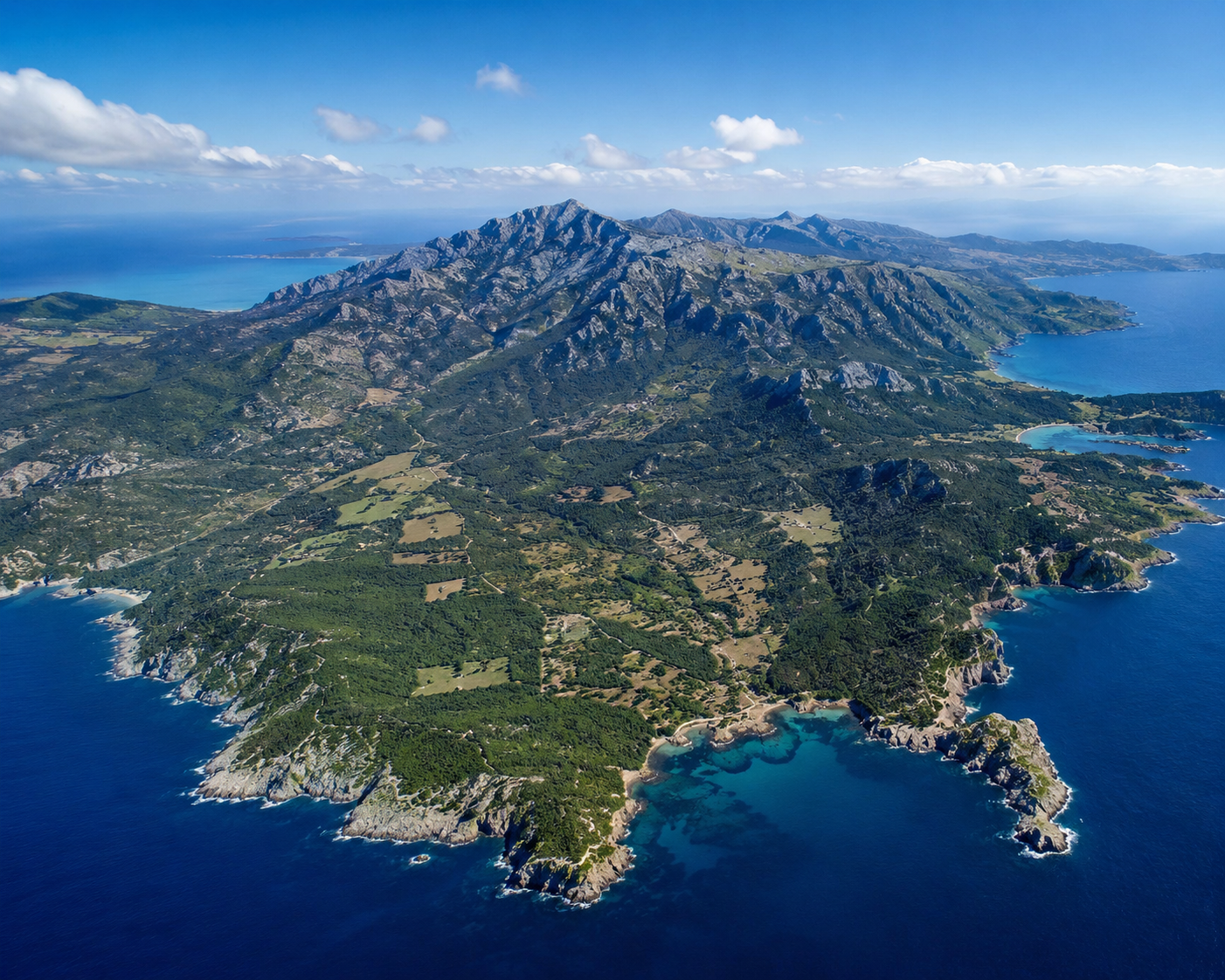
In recent years, Mallorca has transformed from a classic holiday destination into a permanent place to live. More and more people from Germany, Austria, and Switzerland are relocating their residences entirely or at least for a significant part of the year to the island. This is down to a rare combination of factors: a mild Mediterranean climate, well-developed infrastructure, and an international outlook that makes settling in noticeably easier. Despite this modernity, away from the well-known hotspots, Mallorca has retained much of its original, Mediterranean character.
Those who live here permanently will soon notice that everyday life follows a different rhythm than in most Northern European cities. The daily routine is more dictated by light and temperature, social encounters take up more space, and nature is never more than a few minutes away. It is precisely this mix of quality of life and reliability that prompts many to consciously decide on a main residence or a permanent second home on the island.
Why Mallorca is so attractive as a place to live
Mallorca's allure can rarely be attributed to a single reason. It is rather the interplay of several framework conditions that interlock and create a quality of life that few regions in the Mediterranean offer. Climate, accessibility, supply, and an international environment complement each other to create a harmonious overall picture.
Newcomers most frequently cite these advantages:
- mild climate with around 300 days of sunshine and short, mild winters
- direct flight connections to numerous European cities, often in under three hours
- Modern medical care with German and English-speaking doctors
- a high degree of security in everyday life
- a vibrant international community with a palpable local culture
This combination holds the real appeal: Mallorca isn't just ideal for a few weeks of holiday, but also works year after year. Families and professionals, in particular, appreciate that quality of life and predictability are not mutually exclusive here.
Island lifestyle and daily life
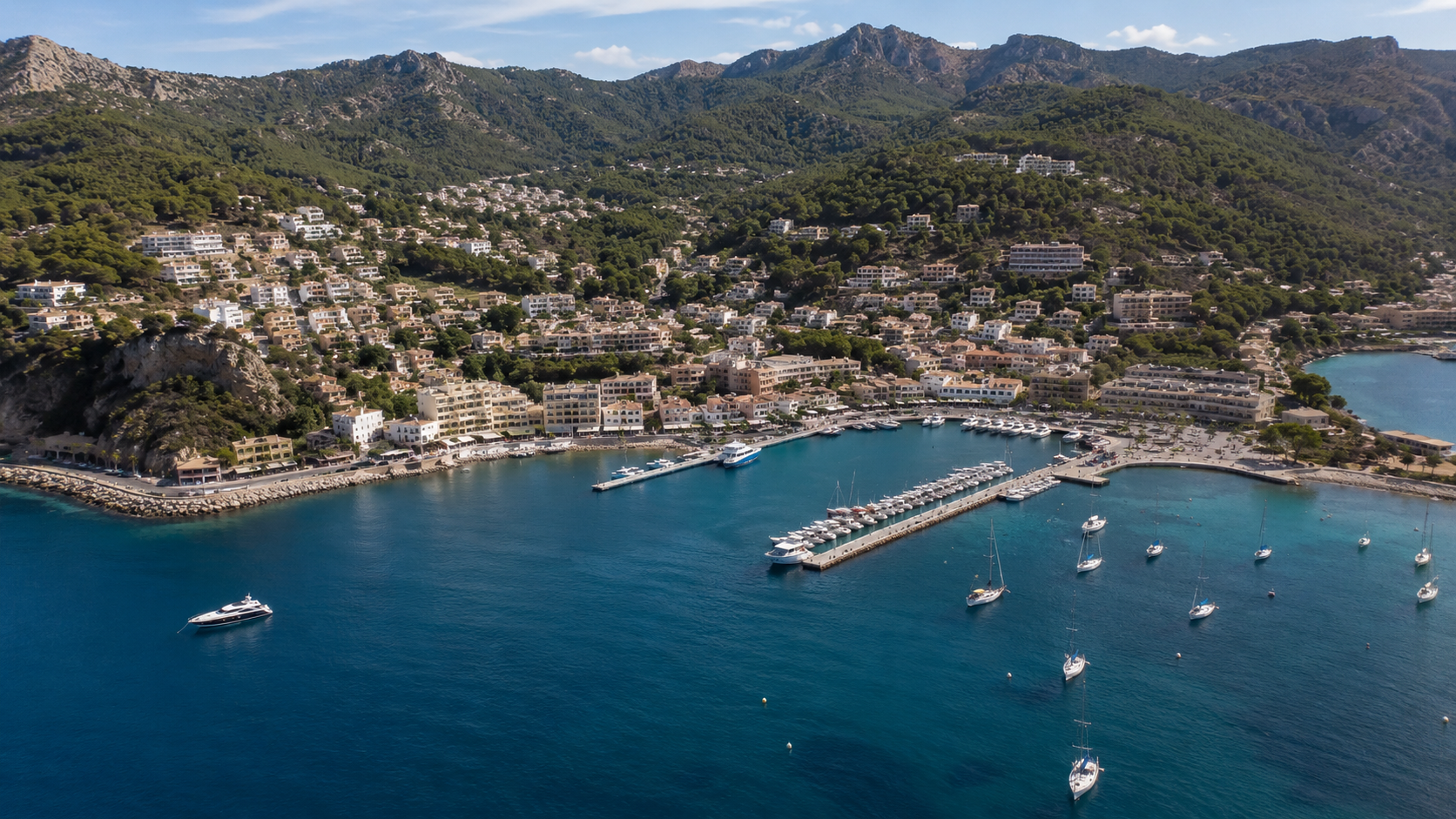
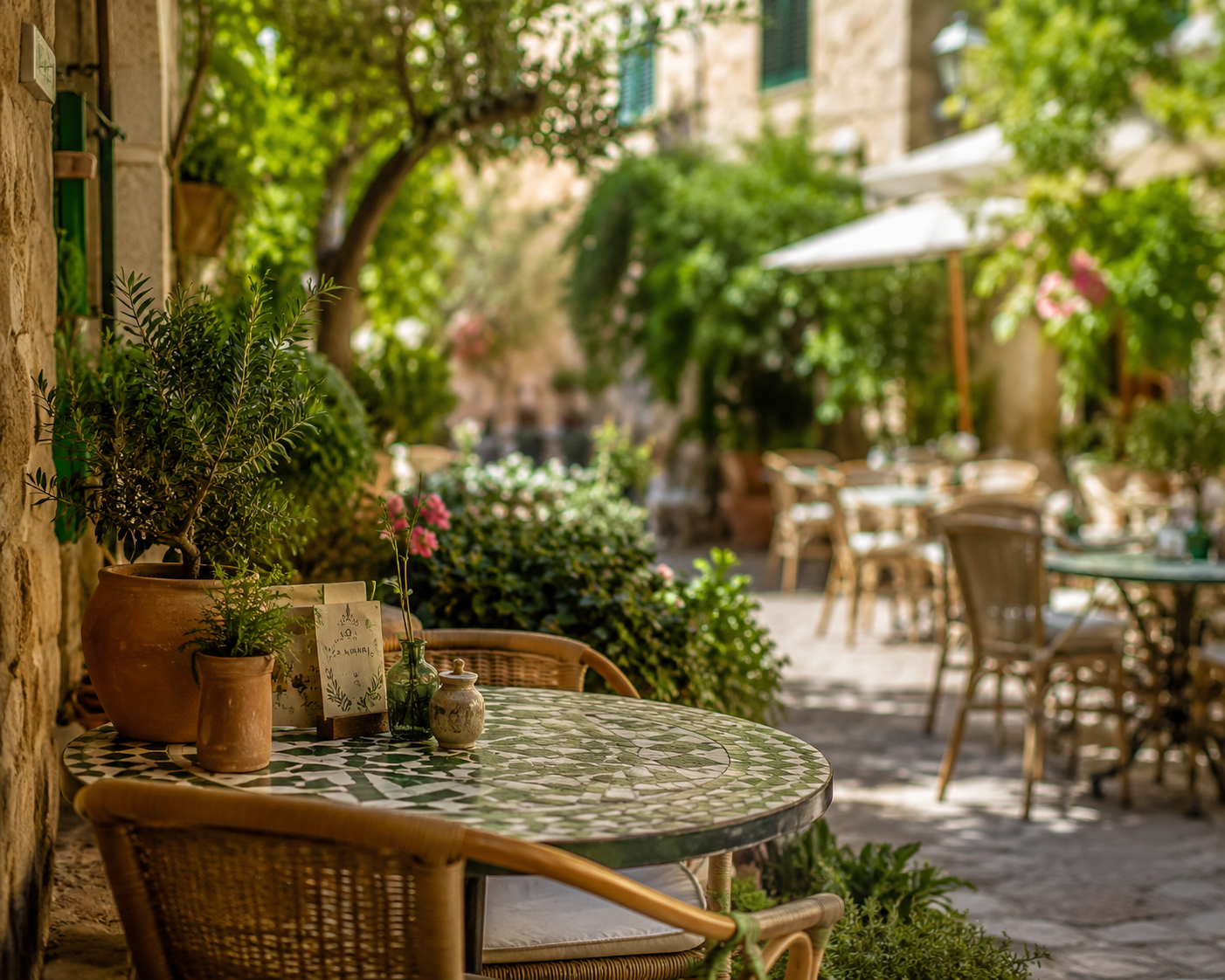
Arguably the clearest difference to life in many other parts of Europe is evident in the everyday feeling of life. On Mallorca, the day is less regimented, and the focus noticeably shifts towards leisure, enjoyment, and socialising. Those who shop at the weekly market in the morning, take a longer break at lunchtime, and let the evening wind down outdoors naturally live by the island's rhythm.
This unhurried pace is closely linked to the climate and nature. Even outside the summer months, you spend a lot of time outdoors, whether hiking in the Serra de Tramuntana, strolling by the harbour, or having a late meal al fresco. At the same time, this lifestyle demands a certain willingness to adapt, as opening hours and official errands don't always follow the usual Northern European efficiency. However, those who embrace it gain a sense of calm that quickly becomes indispensable in everyday life.
The best regions to live in Mallorca
Mallorca is smaller than many people suspect – and yet its regions differ surprisingly greatly. Between the lively island capital, the exclusive coastal towns in the southwest, and the quiet villages in the island's interior, there are often only a few minutes' drive, but entirely different worlds. Which area is best suited depends primarily on how much hustle and bustle, nature, or international connections one desires.
Palma de Mallorca – urban living
Palma is the economic, cultural, and social heart of the island. The city combines a historic old town with a cathedral and narrow streets with a surprisingly cosmopolitan gastronomic, art, and boutique scene. International schools, clinics, and its proximity to the airport make it particularly attractive for professionals and families.
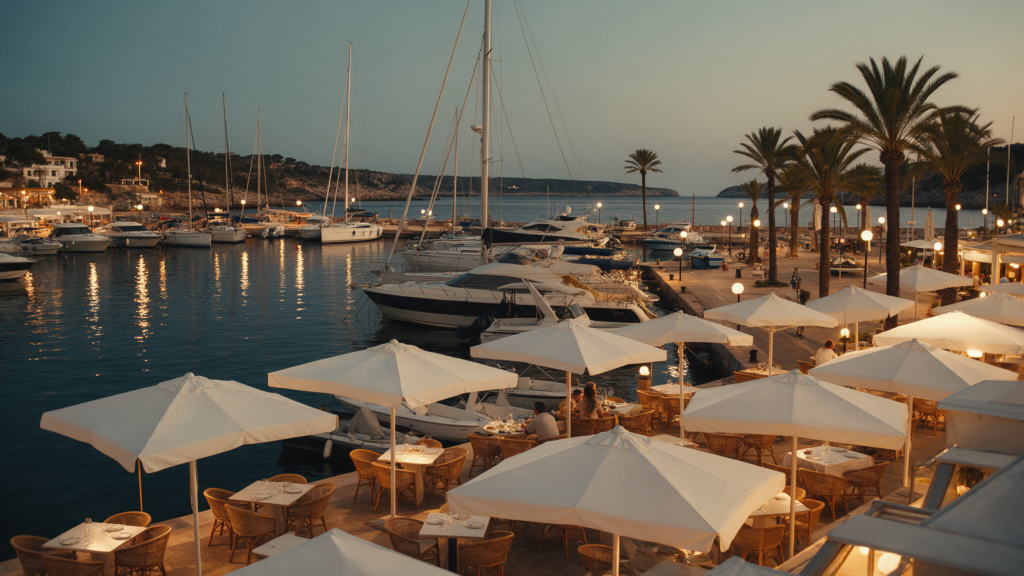
Those who choose to live in Palma do not have to forgo the sea: city beaches, the marina, and the long promenade are part of everyday life. This mixture of urban density and Mediterranean lightness makes the capital one of the most sought-after and, at the same time, most value-stable residential areas in Mallorca.
Southwest – exclusive locations around Andratx and Santa Ponsa
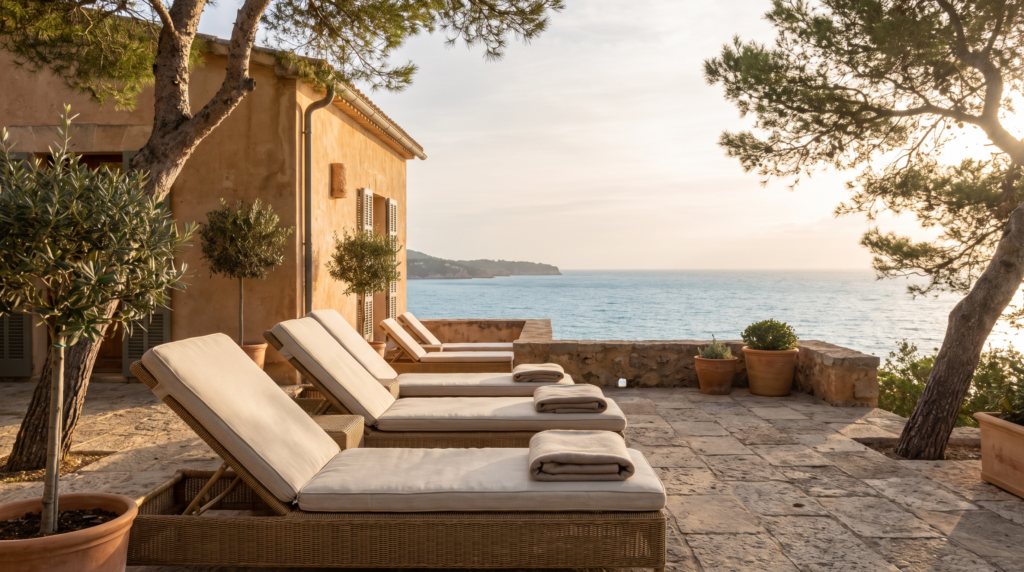
The southwest is considered the most exclusive corner of the island. Places like Port Andratx, Santa Ponsa, Bendinat, and Portals Nous are synonymous with high-quality villas, immaculate marinas, and a distinctly international neighbourhood. The short distance to Palma and the airport further enhances the convenience.
This region primarily appeals to discerning buyers who prioritise location, privacy, and sea views. In return, the southwest offers a rare combination of exclusive infrastructure and proximity to nature – complete with pine-clad hills, hidden coves, and spectacular sunsets.
Southeast – peaceful and close to nature around Santanyí and Cala d’Or
Those who prefer a quieter pace will find it in the southeast. Around Santanyí, Ses Salines, and Cala d’Or, low sandstone buildings, small market squares, and a relaxed atmosphere characterise the scenery. Turquoise bays and protected natural areas are often only a few minutes away.
This area is particularly suitable for people who want to live close to nature and sustainably, without having to forego good amenities. Life here is noticeably more relaxed, yet well-organised thanks to established village structures.
The island's interior – the authentic Mallorca
The island's interior reveals Mallorca's original side. Agriculture, viticulture, and small villages like Binissalem, Alaró, or Santa Maria shape a landscape that has largely remained untouched by mass tourism. At the same time, the demand for fincas and lovingly renovated country houses is steadily growing.
For many long-term residents, this region is particularly appealing because it combines tranquility with good accessibility – Palma can usually be reached in half an hour. Those who embrace village life also experience a strong sense of community and an authentic piece of Mallorcan culture.
North and Serra de Tramuntana – Mountains and Sea
The north around Pollença, Alcúdia and the foothills of the Serra de Tramuntana mountain range combines dramatic mountain backdrops with vast bays. The mountain range, a UNESCO World Heritage site, creates a unique landscape and a somewhat cooler, greener climate than in the south.
This region appeals to all those who appreciate nature, hiking, and sweeping views, and can do without the hustle and bustle of hotspots. Historic stone houses and fincas with panoramic views make the north one of the island's most characteristic residential areas.
What life in Mallorca costs
It's hardly possible to give a blanket figure for the cost of living in Mallorca – it depends heavily on the region and lifestyle. While many things remain at a moderate level in the island's interior and in less touristy locations, sought-after coastal areas reach a significantly higher price level. The biggest differences are noticeable, especially when it comes to housing.
The following areas have the biggest impact on the monthly budget:
- living, whether renting or buying property – by far the largest expense
- Food and daily necessities, comparable to the German level on an island basis
- mobility, as without one's own car many places outside of Palma are difficult to reach
- Gastronomy and leisure, which vary greatly depending on location and season
Ultimately, Mallorca cannot be pigeonholed by price. Those who are flexible about the region they choose can significantly influence costs – both upwards and downwards.
Working and self-employment on the island
Mallorca is long past being just a seasonal labour market. Alongside the still-important tourism sector, international services, the real estate industry, and digital business models have firmly established themselves. In particular, location-independent working has given the island a tangible boost recently.
In practice, activities are mostly spread across three models: working from home for international employers, self-employment with one's own company, and employment in the local service and tourism sectors. This diversity has helped to establish Mallorca as a location for long-term professional prospects today – and no longer just as a place for the summer.
Integration and community
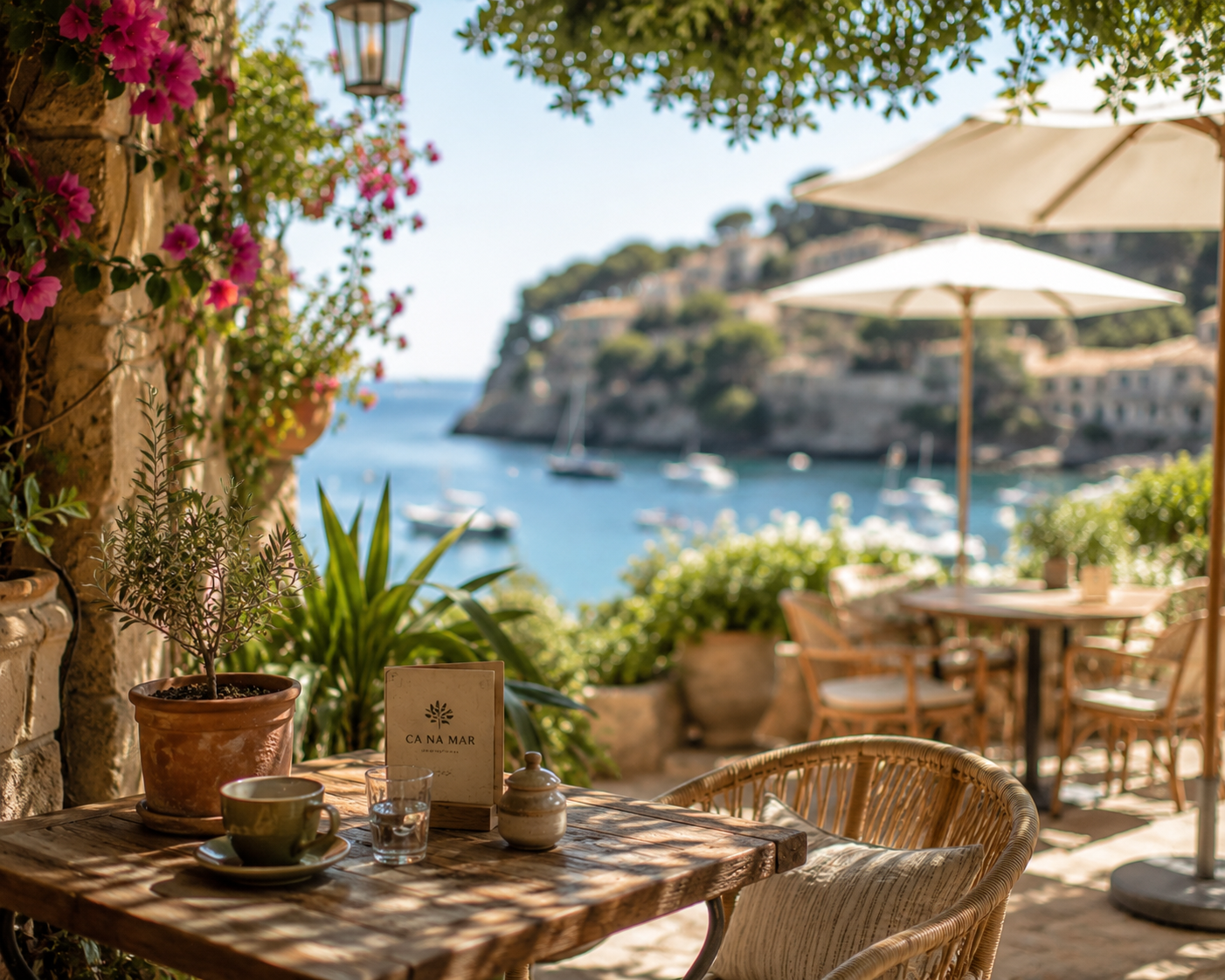
Mallorca boasts a distinct international community while simultaneously preserving a vibrant local culture. This dual structure makes it easier for many newcomers to settle in, as they can quickly find connections through clubs, sports, or events. Furthermore, even with just basic Spanish skills, you can easily mingle with the locals. The islanders' openness is certainly unique.
The property market in Mallorca
The island’s property market is as diverse as its regions. The spectrum ranges from stylish city flats in Palma to traditional fincas in the interior and modern villas with sea views on the coast. Demand has been high and stable for years, which is also reflected in a steady rise in property values.
When buying a rug, the same criteria are most important for most interested parties:
- Location and surroundings, from the proximity to the sea to the connection to Palma
- Infrastructure and accessibility in everyday life
- Long-term value appreciation and resale opportunities
- usage concept, i.e. owner-occupation, letting or capital investment
This means that a property in Mallorca is rarely a purely lifestyle decision. For many buyers, emotional value and economic considerations combine to form a compelling overall package – ideally with expert guidance on site.
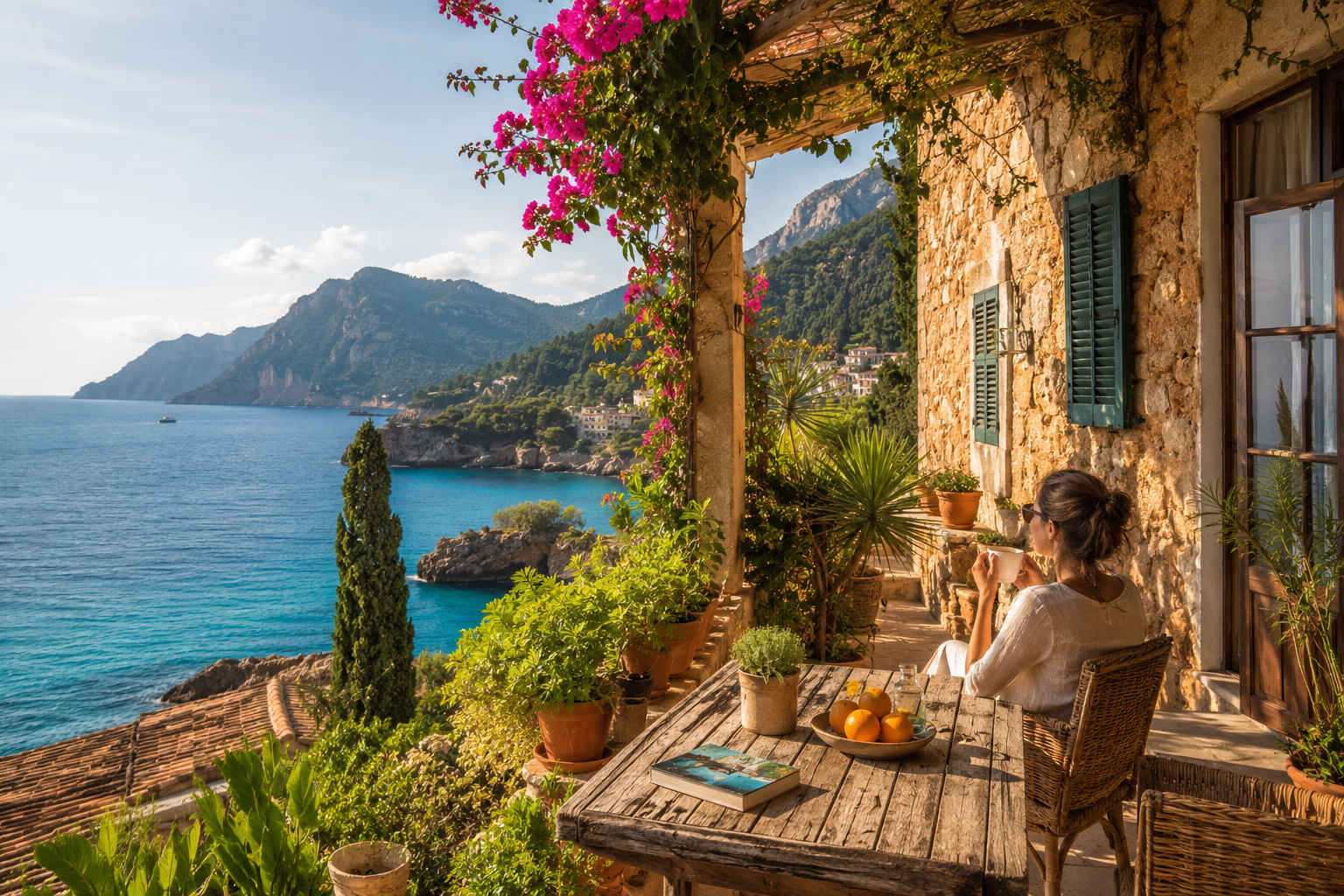
Advantages and possible challenges
As convincing as life in Mallorca is – like every location, the island also has two sides. An honest appraisal helps to arrive with realistic expectations and avoid later disappointment.
On the plus side are the high quality of life, the pleasant climate, the international orientation, and a high degree of safety. On the other hand, there are higher costs in the most sought-after locations, which are, however, reflected in the exclusivity.
Living in Mallorca as a long-term decision
A life in Mallorca is far more than just a change of location. It is a decision for a particular lifestyle that stands out clearly from everyday life in many other European regions. Climate, nature, infrastructure, and an international environment form a foundation that will last in the long term.
Those who perceive the island not just as a holiday backdrop but as a real habitat will quickly discover its true value. Mallorca makes it possible to combine work, leisure, and quality of life in a way that is becoming a conscious life choice for more and more people.
Frequently asked questions about living in Mallorca
Is Mallorca a good place to live?
Yes, Mallorca offers a high quality of life, a stable Mediterranean climate, and modern infrastructure. The combination of an international environment and a Mediterranean lifestyle makes the island equally attractive to families, professionals, and retirees. Above all, it is important to choose a region that suits your own lifestyle.
How expensive is living in Mallorca?
The costs depend heavily on the region and lifestyle and cannot be quantified across the board. While the island's interior and less touristy locations remain moderate, sought-after coastal areas reach a significantly higher level, especially when it comes to housing. Food and everyday expenses, on the other hand, are often at a level comparable to Germany.
Wo lebt es sich am besten auf Mallorca?
This depends heavily on personal preference. Palma is suitable for urban living, the southwest for exclusive coastal locations, and the southeast and the island's interior for peace and authenticity. Those seeking mountains and nature will be best catered for in the north around the Serra de Tramuntana.
Can a German citizen live permanently in Mallorca?
Yes, numerous Germans, Austrians, and Swiss live on the island year-round. As EU citizens, moving is legally straightforward; a NIE number and local registration are required, among other things. Existing communities make settling in easier, but a little initiative remains indispensable.
Is buying property in Mallorca worthwhile?
The market has been considered stable and reliably valuable for years, which also makes Mallorca an interesting investment. In addition to pure value appreciation, personal use plays a significant role, whether as a primary residence, holiday home, or rental property. Competent local advice is crucial for finding the right property and location.
Die grössten Vorteile des Lebens auf Mallorca sind die aussergewoehnliche Lebensqualitaet, das angenehme Klima, die wunderschönen Strände, die Vielfalt der Landschaft, die reiche Kultur und Geschichte sowie die gute Infrastruktur.
Key advantages include the mild climate, high quality of life, and excellent international connectivity. In addition, there is a high level of security and a balanced mix of nature, culture, and modern infrastructure. Together, these factors make the island one of the most sought-after places to live in the entire Mediterranean region.