Hardly any island in the Mediterranean combines so many different coastal landscapes in such a compact space as Mallorca. Over 550 kilometres of coastline, more than 200 beaches and coves, plus turquoise water that can hold its own against the Caribbean – the diversity ranges from kilometre-long natural beaches with white dunes to tiny rocky coves, only accessible on foot or by boat. Those looking for the most beautiful beaches in Mallorca will find them in every direction: in the sophisticated southwest as well as on the wild west coast below the foothills of the Serra de Tramuntana or in the untouched southeast with its protected nature parks.
In this guide, we'll introduce you to the island's most beautiful beaches and coves – sorted by region, with honest assessments of accessibility, the best times to visit, and little insider tips that we, as a family who has lived and worked in Mallorca for over two decades, are happy to share. And because many of our clients eventually want to do more than just visit their favourite cove, but also live near it, we'll also tell you which residential areas are located in the immediate vicinity of these dream beaches.
The Southwest: Elegant Bays Between Palma and Andratx
The southwest of Mallorca is arguably the island's most exclusive coastal region. Between Palma and Port d’Andratx, sheltered sandy coves, marinas and pine forests line up – framed by the first elevations of the Serra de Tramuntana. Here you'll find some of Mallorca's most well-kept beaches, many with beach restaurants, sun lounger rental and fine sand.
Playa Camp de Mar – the golden bay with the rocky island
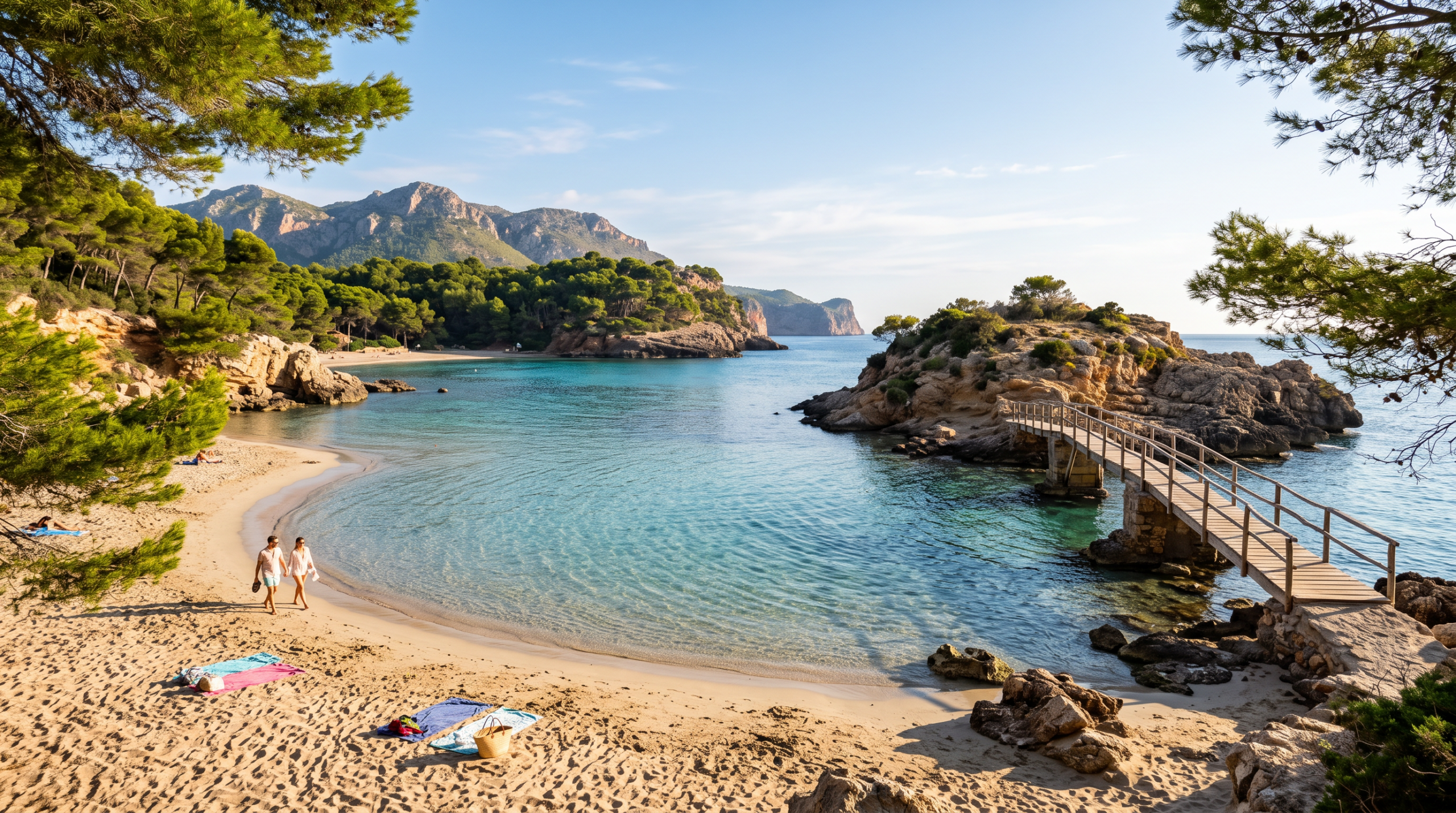
The beach at Camp de Mar is one of the most beautiful bathing coves in the southwest. Fine, golden sand, shallow water, and the small rocky island with the legendary restaurant „Illeta,“ which is accessible via a wooden walkway, make the cove unmistakable. In the early morning, when the light falls low over the bay and the water is still mirror-smooth, Camp de Mar reveals its full magic. The adjacent Golf de Andratx golf course and its proximity to Port d'Andratx complete the overall picture.
Not without reason is Camp de Mar one of the island's most sought-after residential addresses: anyone looking for a property here Villa in Camp de Mar possesses, often reaches the beach on foot – a privilege that few locations in Mallorca offer.
Cala Llamp – the natural bay near Port d'Andratx
Cala Llamp is not a typical sandy cove, but rather a deeply indented rocky bay with crystal-clear, deep blue water – a paradise for snorkellers and those who prefer to enjoy the sea from flat rocky plateaus. The beach club above the bay is one of the most stylish addresses in the region. The surrounding hillside locations with their spectacular sea views are part of the catchment area of Port d'Andratx, one of Europe's most prestigious luxury locations.
Portals Vells & Cala Falcó – three bays in a pine forest
At the southern tip of the Calvià peninsula lie the three coves of Portals Vells and the neighbouring Cala Falcó – surrounded by dense pine forest and gloriously tranquil in the off-season. The shallow, turquoise water is reminiscent of a natural swimming pool. In the rock face of the main cove, there is an old cave chapel that sailors once carved from the stone. Those seeking a glamorous atmosphere afterwards are only a few minutes away from the Puerto Portals marina or the residential areas of Sol de Mallorca and Portals Nous.
Santa Ponsa Beach – the family beach with a history
Wide, sandy, with a shallow entry and complete infrastructure: Santa Ponsa beach is one of the most popular family beaches in the southwest. On the cross-shaped rock at the headland, a monument commemorates the landing of King Jaume I. in 1229 – this is where the Christian reconquest of Majorca began. The hillside locations around Santa Ponsa und Nova Santa Ponsa gehören heute zu den gefragtesten Villengebieten der Insel.
The South and Southeast: Caribbean vibes and nature parks
Anyone who thinks of the famous postcard images of Mallorca – white sand, turquoise blue water, dune landscapes – usually thinks of the south and southeast. This is where the natural beaches are located, which have earned Mallorca the nickname „Caribbean of the Mediterranean“.
Es Trenc – the island's most famous natural beach
Around three kilometres of the finest white sand, with dunes and salt pans behind it, and water in every shade of turquoise in front: Es Trenc is probably Mallorca's most famous natural beach and part of a protected nature reserve. You won't find any hotels or buildings here – and that's exactly what makes it appealing. Our tip: Come outside of peak season or early in the morning, park at Ses Covetes and walk along the beach towards Colònia de Sant Jordi. The further you go, the emptier it gets.
The nearest residential areas are real insider tips for buyers looking for peace and nature: Sa Ràpita with its small marina lies directly west of the beach, and also in the hinterland around Ses Salines dreamlike fincas can be found nestled amidst Mediterranean landscapes.
Caló des Moro & Cala s’Almunia – the Instagram stars near Santanyí
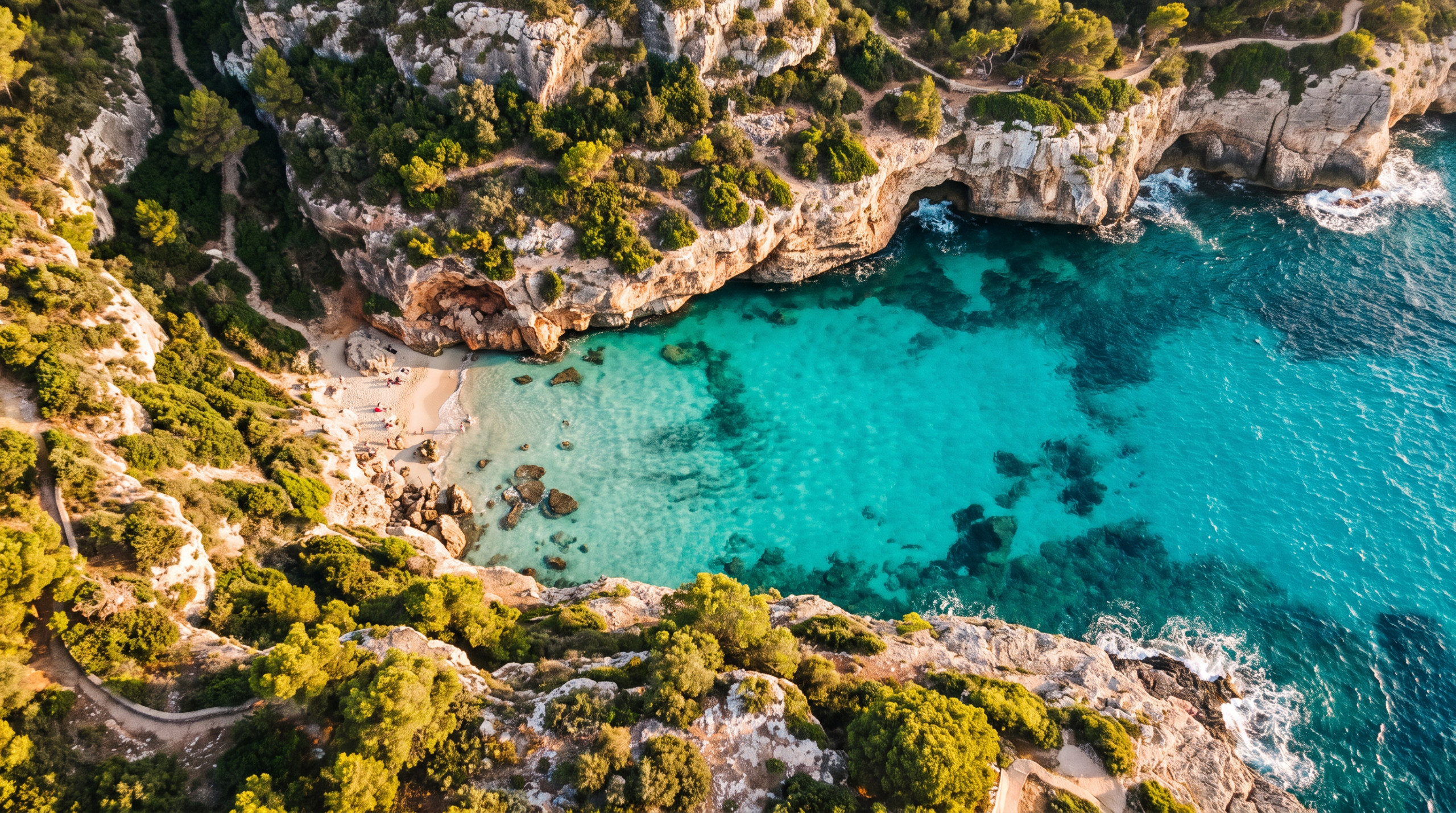
The small bay of Caló des Moro, with its steep cliff faces and incredibly turquoise water, has become one of the most photographed spots in Spain in recent years. The downside: in the height of summer, the tiny bay quickly becomes overcrowded. Those who want to experience the magic of the place should visit in spring or autumn, or right at sunrise – and combine their visit with the neighbouring Cala s’Almunia, whose old boat houses are among the most beautiful photo opportunities on the island.
Cala Mondragó & S'Amarador – Swimming in the Natural Park
The Mondragó Natural Park near Santanyí protects one of Mallorca's most beautiful coastal landscapes. The two coves, Cala Mondragó and S'Amarador, are connected by a coastal path, the water is shallow, clear and family-friendly, and the surrounding pine forests provide natural shade. Anyone who has experienced this area once in May, when the island is green and the beaches are almost empty, will understand why so many of our customers in the area Buy a finca in Santanyí the combination of protected nature, honey-coloured sandstone houses and the famous Wednesday market is unique.
Cala d’Or & Cala Gran – turquoise bays and white architecture
The „golden bay“ has given its location its name: Cala d’Or consists of a series of small, fjord-like sandy coves, framed by white Ibiza-style villas. Cala Gran is the largest and most beautiful among them. The Cala d’Or marina is one of the most charming in the southeast. Property in Cala d'Or Combine proximity to the beach with Mediterranean holiday flair – ideal for those who wish to rent out their holiday home or have the sea on their doorstep all year round.
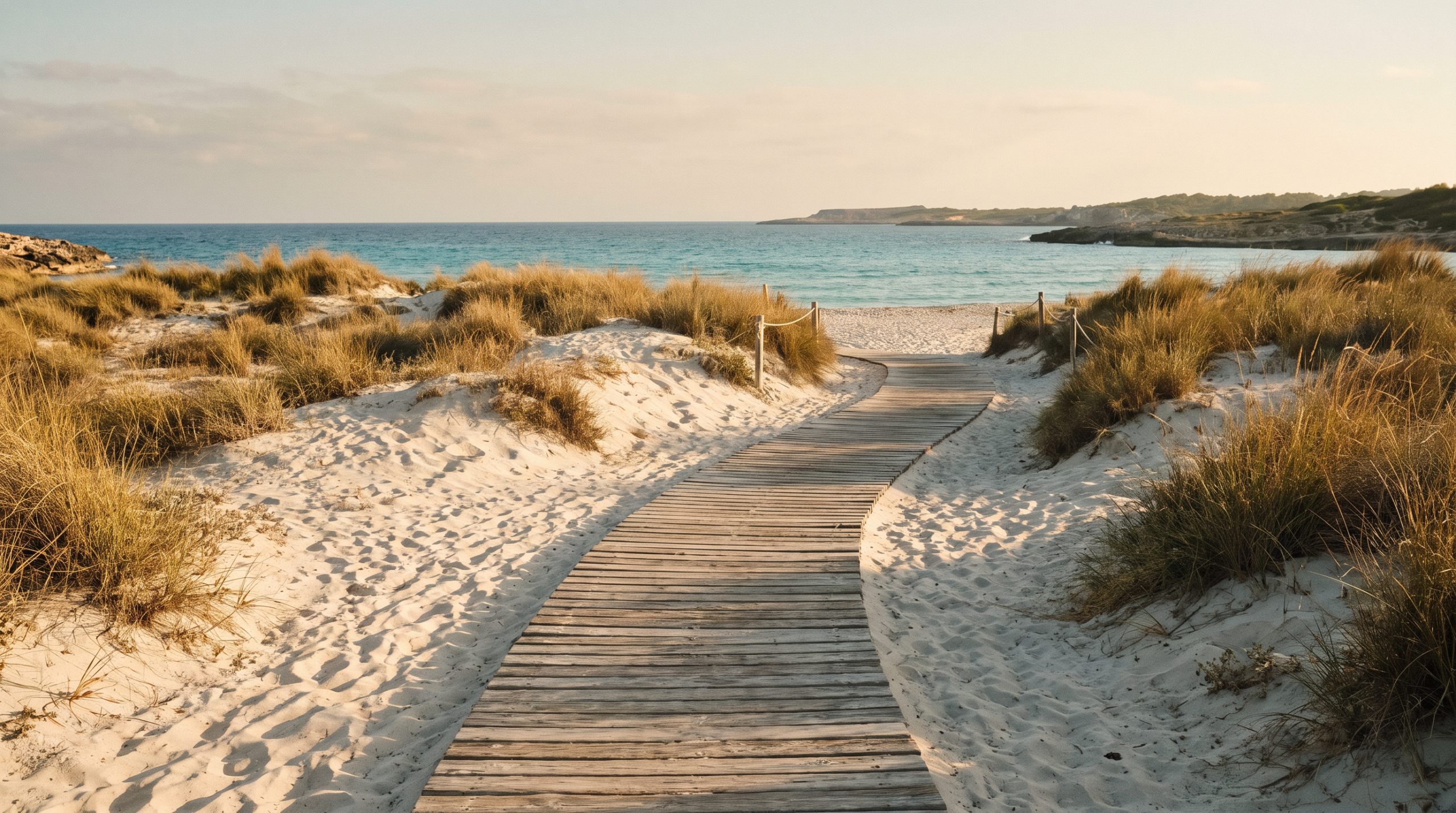
The west coast: dramatic coves beneath the Serra de Tramuntana
The west coast is Mallorca's most spectacular coastline: here, the UNESCO World Heritage site Serra de Tramuntana drops steeply into the sea, and the few coves that open up between the rock faces are among the most dramatic landscapes in the Mediterranean.
Cala Deià – the artists' cove
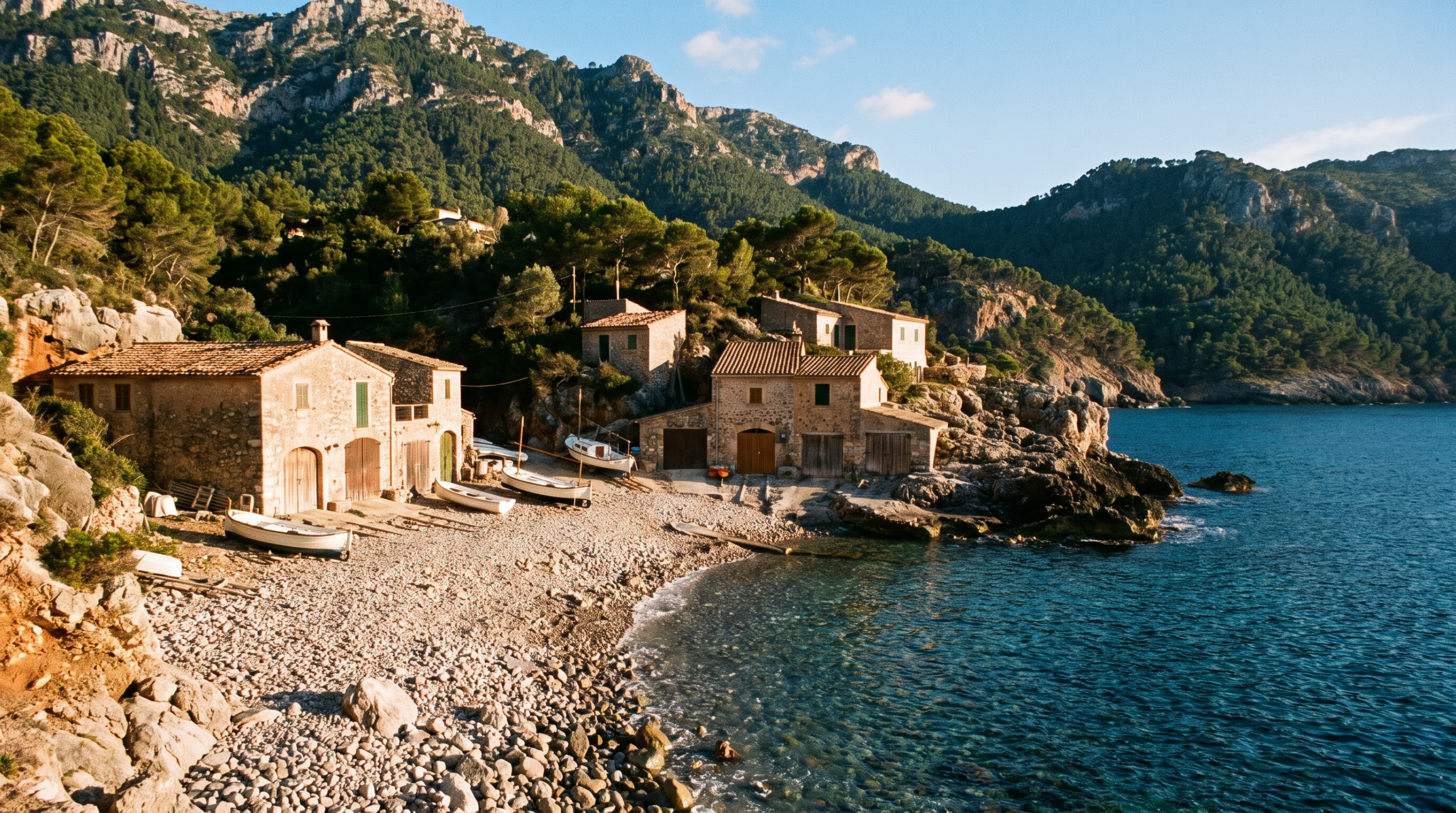
Below the famous artists„ village of Deià lies a small pebble bay that has been attracting writers, painters, and musicians for decades. The water is crystal clear, and the two beach restaurants – most notably the legendary “Ca’s Patró March" – serve freshly caught fish right above the rocks. Cala Deià is not a beach for sandcastles, but a place for long lunches with sea views and dives into the deep blue water. Those who fall in love with this area will find in Deià and surroundings some of the most characteristic properties on the entire island – stone houses with a history, nestled among olive groves with sea views.
Sa Calobra & Torrent de Pareis – a natural wonder
Strictly speaking, the bay of Sa Calobra at the end of the famous serpentine road isn't a bathing beach, but a natural spectacle: the gorge of the Torrent de Pareis flows into the sea here between 200-metre high rock faces. The pebble beach between the cliffs is one of the most impressive spots in the Balearic Islands. Our advice: set off early or take the boat from Port de Sóller – and for those who prefer it quieter, head for the neighbouring, much more peaceful Cala Tuent.
Port de Sóller – the only large sandy bay on the west coast
The almost perfectly circular natural bay of Port de Sóller is the only spot on the west coast with proper sandy beaches and a complete harbour life. The historic tram connects the harbour with the Sóller Valley of Oranges, and the promenade invites you to dine while watching the sunset over the sea. For many of our customers, the region around Sóller and Port de Sóller the perfect synthesis of mountains, authentic island life and sea access.
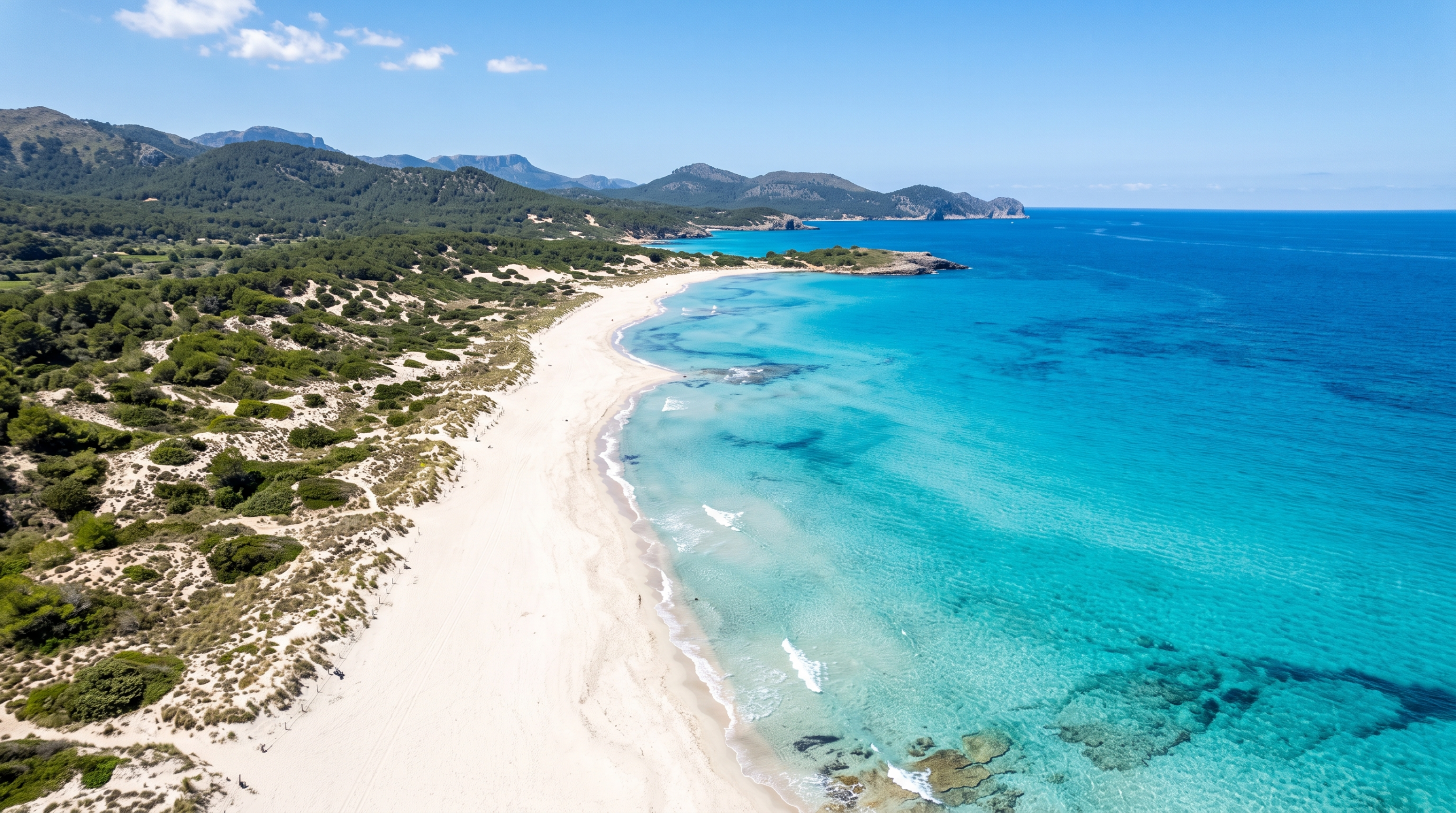
The north and northeast: vast sandy beaches and wild peninsulas
Playa de Muro & Playa de Alcúdia – kilometres of fine sand
The Bay of Alcúdia is home to Mallorca's longest sandy beach: almost ten kilometres of fine, pale sand stretch from Port d’Alcúdia to Can Picafort. The water slopes so gently that children can splash around safely – no wonder the region is so popular with families. The Playa de Muro section, directly by the s’Albufera Natural Park, is considered the most beautiful part. The old town of Alcúdia with its medieval city walls and the residential areas around Port d'Alcúdia make the North increasingly attractive to property buyers as well.
Cala Formentor – the classic among dream bays
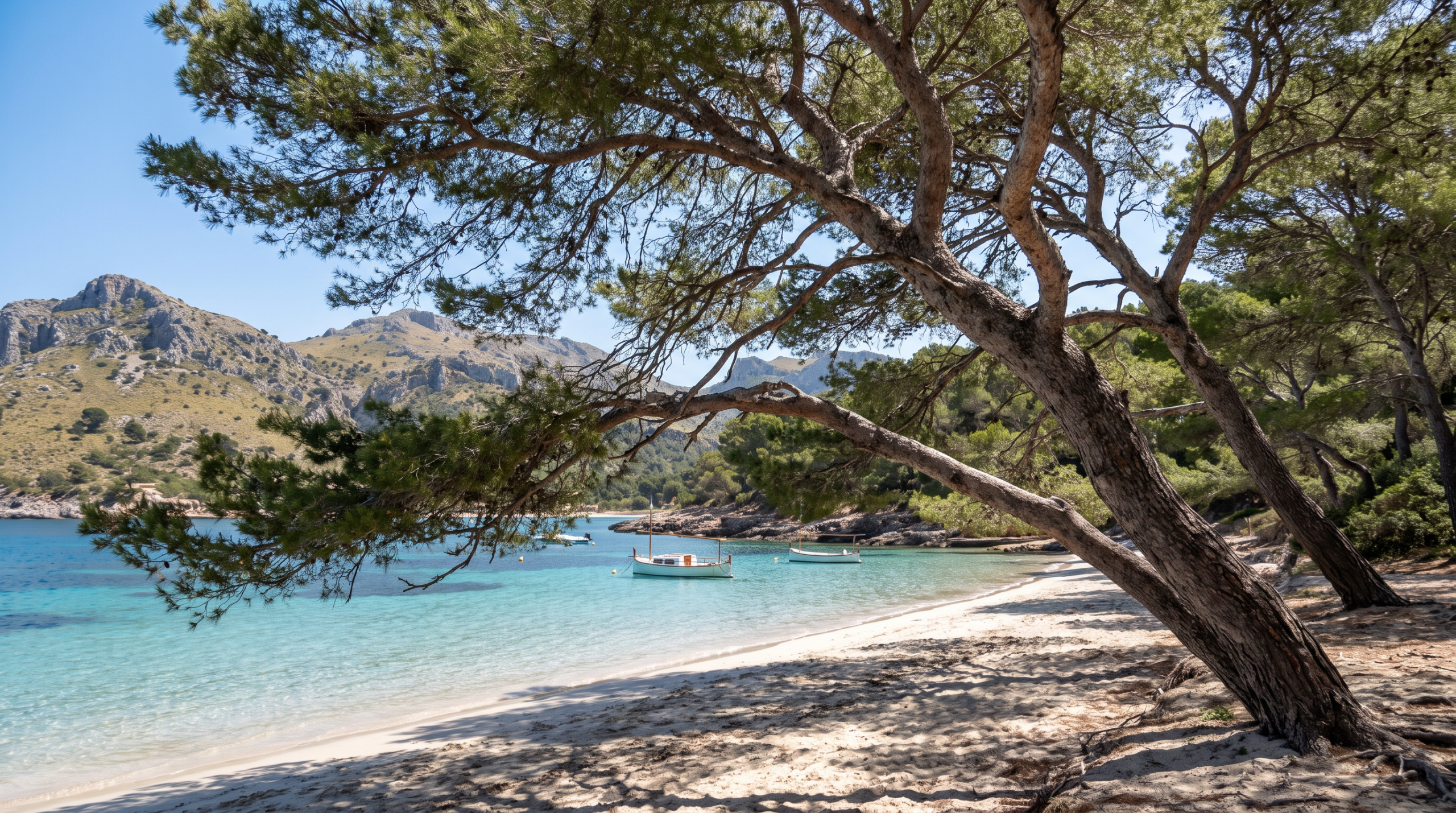
At the foot of the wild Formentor peninsula lies one of the island's most elegant beaches: a narrow, pine-fringed strip of sand overlooking the Bay of Pollença. Even Winston Churchill and Audrey Hepburn bathed here. The drive along the panoramic road with the Mirador Es Colomer viewpoint is worth the journey alone – however, during peak season, access is regulated, in which case a boat trip from Port de Pollensa.
Cala Agulla & Cala Mesquida – Dune Landscapes in the Northeast
At Cala Ratjada lie two of the most beautiful natural beaches in the northeast: Cala Agulla with its wide sandy bay in front of wooded hills, and Cala Mesquida, surrounded by high dunes. Both are protected landscapes and still offer quiet spots even in summer – especially if you're willing to walk for a few minutes. The region around Cala Ratjada and Capdepera has developed into a real insider tip for high-quality properties in recent years.
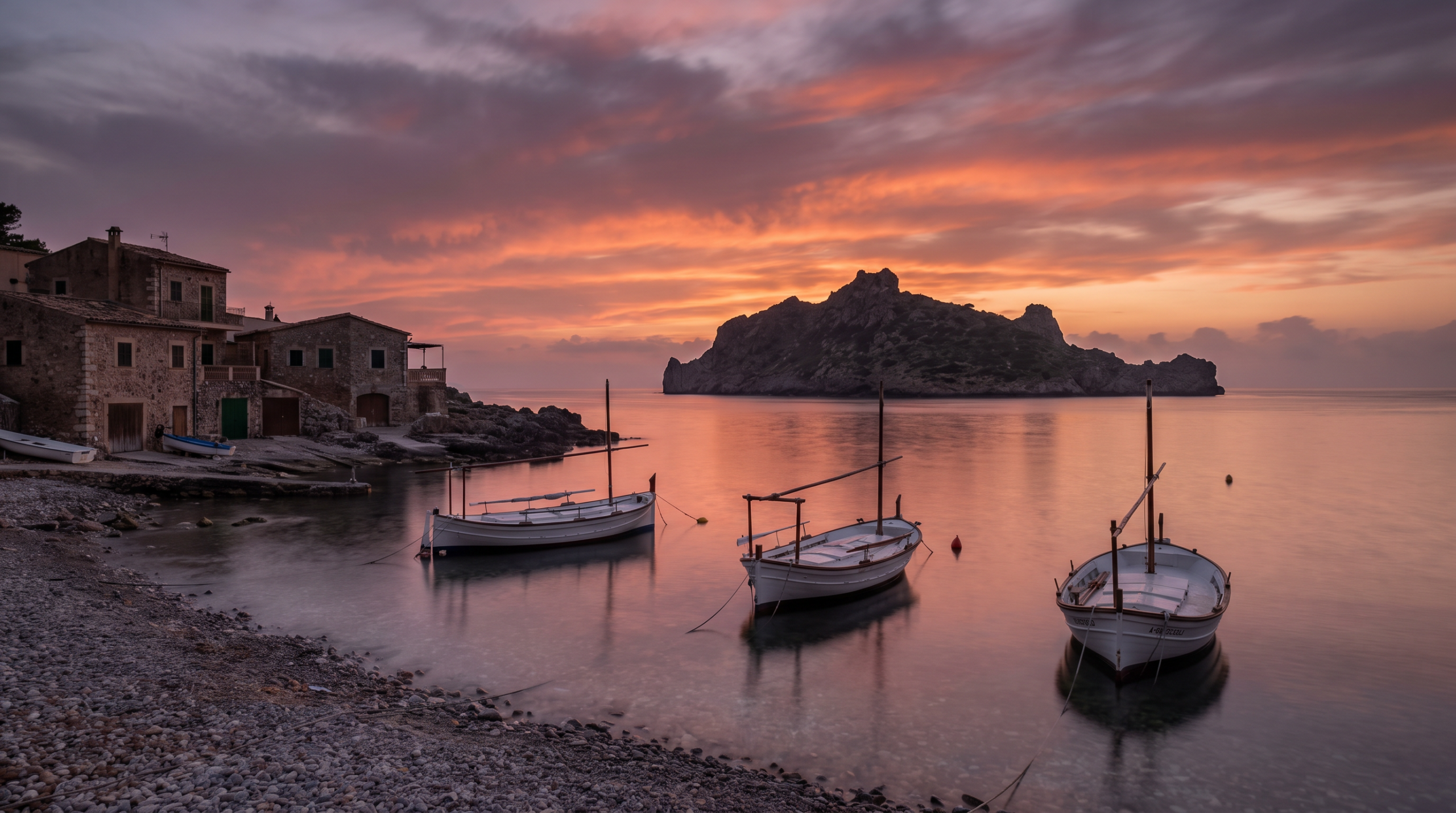
Insider tips: Coves off the beaten track
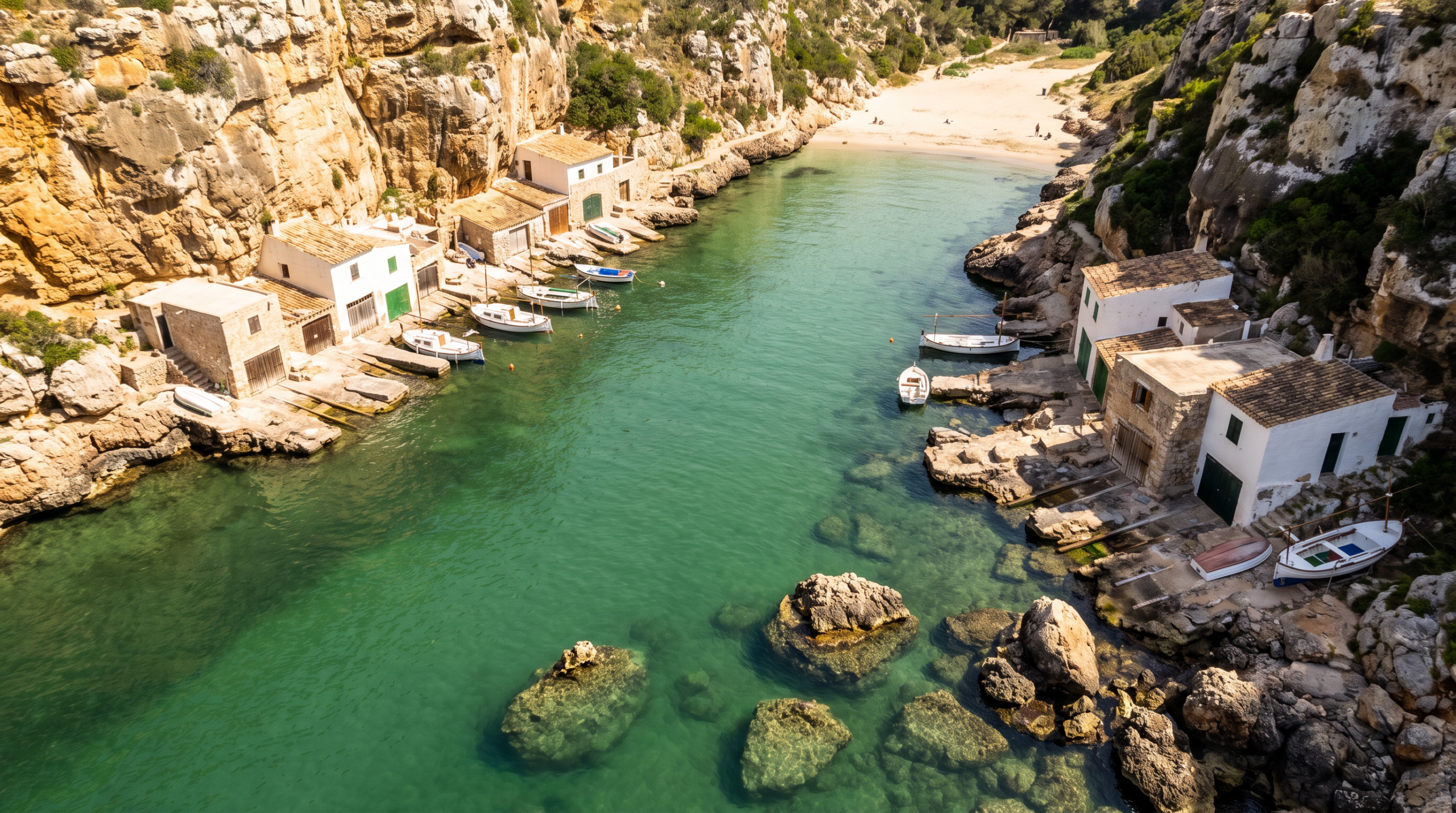
Even after two decades on the island, we keep discovering coves where Mallorca reveals its most original side. We'd like to recommend three of them to you: The Cala Varques On the east coast near Porto Cristo, you can only reach it via a footpath through pine forests – you will be rewarded with a pristine dream bay with crystal-clear water. The Cala Pi in the south near Llucmajor lies fjord-like between high rock faces; old boat houses and a narrow sandy beach create an almost lagoon-like atmosphere – the neighbouring residential areas around Llucmajor und Sa Torre are among the island's underestimated locations. And the small bay of Sant Elm in the far west, offering one of Mallorca's most beautiful sunsets with views of the uninhabited island of Sa Dragonera – from the tranquil San Telmo also start lovely coastal walks.
Die beste Zeit für Mallorcas Strände ist von Mai bis Oktober.
The bathing season in Mallorca lasts significantly longer than many people think: from May to well into October, the sea reaches pleasant temperatures, with the water being warmest in late summer at up to 26 degrees. Connoisseurs avoid the famous coves during the main season in July and August – those who are flexible will experience Es Trenc, Caló des Moro or Formentor in their most beautiful form in June or September: warm, turquoise and pleasantly empty. You can find detailed information on climate and seasons in our article on Best time to travel to Mallorca. And for those who want to experience the island without any hassle, you'll find inspiration in our guide to quiet places in Mallorca.
Live where others go on holiday: living near the beach in Mallorca
Many of our clients tell us the same story: a yearly holiday in their favourite bay eventually turned into a desire to live there permanently. Mallorca makes this step incredibly easy compared to most other places in Europe – thanks to excellent flight connections, first-class infrastructure and an impressive selection of Sea-view properties in all regions of the island.
Whether it's an elegant villa within walking distance of Camp de Mar bay, a modern residence above the turquoise coves of Santa Ponsa, or a characterful finca in the hinterland of Santanyí, just a few minutes from Es Trenc and Mondragó Nature Park: As a family-run Luxury property agents in Mallorca We have known the coastal locations of the island from personal experience for over two decades – and know which address suits which lifestyle. For reasons of discretion, some of our most exclusive properties on the seafront are not publicly advertised; we would be happy to check suitable off-market offers for you upon request.
Do you dream of a home near your favourite bay? Contact us – we look forward to personally showing you the most beautiful coastal locations in Mallorca.
Frequently asked questions about Mallorca's beaches
Welcher ist der schönste Strand auf Mallorca? There is no single objective answer – however, the most frequently mentioned candidates are Es Trenc with its Caribbean-like natural beach, the turquoise rocky cove Caló des Moro near Santanyí, the elegant Cala Formentor in the north, and Playa Camp de Mar in the southwest. Those seeking drama should choose Sa Calobra on the west coast.
Where is the water on Mallorca the most turquoise? The most intense turquoise can be found on beaches with light sand bottoms and shallow waters: Es Trenc, Caló des Moro, Cala s’Almunia, Cala Mondragó, Cala Agulla and the coves of Portals Vells are among the top contenders.
Which beaches in Mallorca are particularly family-friendly? Families will find gently sloping sandy beaches with amenities primarily at Playa de Muro and Playa de Alcúdia in the north, on Santa Ponsa beach, in Camp de Mar, and at Cala Gran near Cala d’Or.
Are there still secluded coves on Mallorca? Yes – especially in the low season. Quieter natural coves include Cala Varques near Porto Cristo, Cala Tuent on the west coast, Cala Màrmols south of Santanyí (only accessible on foot) and the back sections of Es Trenc.
Can you swim in Mallorca all year round? The classic bathing season runs from May to October; in September and October, the sea is still pleasantly warm after the summer. Hardened swimmers also take a dip in winter – for everyone else, many properties in Mallorca offer heated pools for year-round swimming pleasure.