

The answer upfront: The ETV licence (Estancia Turística en Viviendas) is the official authorisation to rent out residential property in Mallorca for tourist purposes – without it, short-term rentals to holidaymakers are illegal. Since 11 February 2022 Do the Balearic Islands have a moratorium in place: new licences are not being issued in principle. Limited quotas have only been opened twice since then – in September 2025, as well as in March 2026, when the Consell de Mallorca for the first time around 1,000 places via a lottery procedure granted; this is not associated with a general lifting of the moratorium. Palma has a permanent ban on new licences. The practical consequence for buyers: the most reliable way into legal holiday rentals is via the Purchase of a property with an existing, transferable ETV licence – such objects achieve a premium on the market, which independent observers typically put at 15 to 25 percent estimate.
What exactly is behind the ETV, what types of licences are there, what you absolutely must check when buying a licensed property, and what risks are involved when renting out illegally – the complete guide, as of July 2026.

Was ist die ETV-Lizenz?
ETV steht für Holiday Accommodation – „tourist accommodation in residential buildings“. The legal basis is the Balearic Tourism Law (Law 8/2012) with its subsequent reforms; the Consell de Mallorca and the respective municipality are responsible for Mallorca. The licence is linked to so-called Town squares (Guest accommodation): Approval is granted for a specific property for a specific number of beds. Only with an active, registered licence may a property be rented out to tourists via platforms such as Airbnb, Booking or Vrbo – the registration number must be included in every listing.
Three licence types are to be distinguished: the Classic ETV for detached houses and villas (unrestricted tourist rentals), which ETV/PL for flats in apartment buildings (subject to additional requirements such as the consent of the owners' association) and the ETV60, which permits the rental of one's main residence for a maximum of 60 days per year.
The moratorium: why there are (almost) no new licences
Since 11 February 2022 (Decree 3/2022), the allocation of new spots in the Balearic Islands has been frozen – initially intended as a temporary measure until the zoning was reorganised, but in effect, it has remained in place to this day. The regulations for tourism management adopted by the Balearic Government in April 2025 (Decree 4/2025) have further tightened the framework, but at the same time have allowed for limited exceptions: In September 2025 a small contingent of around 650 places was released in order of receipt – and was oversubscribed within days. March 2026 The first regular partial opening followed: the Consell de Mallorca awarded a limited contingent of around 1,000 places for the first time via Liquidation proceedings. Important for buyers: For licences newly awarded in this procedure, five-year transfer restriction – therefore, they do not simply accompany the sale.
Special Case Palma: The island capital has the most restrictive policy: For Palma, permanently no new ETV licences granted – regardless of developments at the island level. Existing Palma licences are accordingly scarce and valuable.
What does that mean for buying property?
The calculation is simple: as long as the total number of plazas is capped, an existing ETV licence is a scarce economic asset that is traded with the property. Three consequences for your purchasing decision:
Firstly, the price: Properties with active, transferable ETV command a significant premium – market estimates range from 15 to 25 percent compared to comparable properties without a licence. This premium is not a speculative bubble but reflects real, immediately realisable rental income.
Secondly, the transferability: When selling, a regular old licence generally transfers to the buyer, provided they continue to meet the licence conditions and the change of ownership is reported to the authorities. Exception: the new lot licences from 2026 with their five-year restriction.
Thirdly, the alternative: Anyone buying without a licence can, in most areas, for the foreseeable future None New acquisition – and the return calculation should then be based on long-term rental or owner-occupation. A reputable estate agent will tell you this before you buy, not after.
Checklist: What you need to check for an ETV property before buying
Not every „property with a rental licence“ lives up to what the exposé promises. These points should be included in every due diligence – ideally by your solicitor as part of the regular purchase review, as we explain in the guide Procedure for property purchase describe
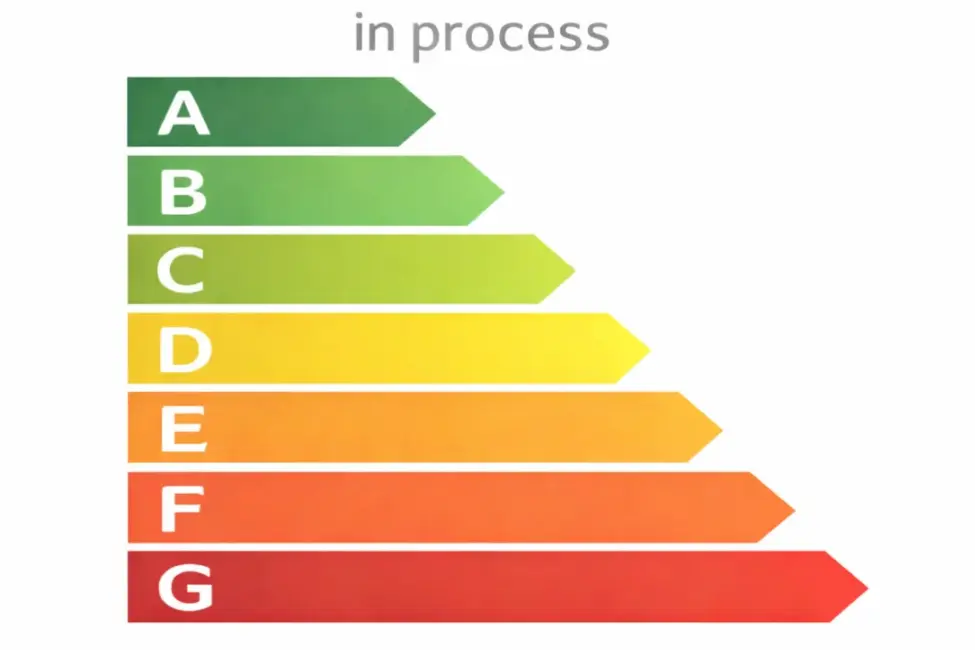
The licence must be registered in the tourism register as Active and free of sanctions to be registered (not dormant, not suspended). The approved The plaza number must match the real capacity. – six approved places for eight advertised beds – are a warning sign. The Certificate of Occupancy (Certificate of Occupancy) must be valid, as must the energy certificate. You should also have the license checked to see if it is attached Alternative conditions which is tied, which you as the new owner must fulfil, whether there is a transfer ban – and whether ongoing or previous Penalty procedure exist. Only when all of that is clean is the licence surcharge justified.
Ongoing duties and costs
With the licence come obligations: the Balearic tourist tax (ITS) is borne by the guest but must be collected by the landlord and quarterly to the tax authorities. Rental platforms have been automatically reporting income to the Spanish tax authorities since 2023 – undeclared income is quickly flagged today. Rental income from non-residents is subject to Spanish income tax; overall tax planning should be handled by a tax advisor, whom we are happy to arrange. In addition to the one-off costs of acquisition, there are the usual Purchase costs of around 10 to 13 percent.
Illegal rentals: A risk that never pays off
The Balearic Islands are enforcing consistently: their own inspectors analyse platform listings, cross-reference register data, and follow up on tips from neighbours and homeowner associations. Even minor infringements incur fines of between 1,000 and 20,000 euros; serious offences – such as systematic rental without any licence – can result in fines reaching six figures, with rental bans also being threatened. Our clear stance after two decades on the market: there is no grey area worth the risk. Either with a licence – or long-term rental.

Is buying an ETV property worthwhile as an investment?
For many of our clients: yes – if the numbers add up. The combination of a capped supply, unbroken holiday demand, and immediate rental potential makes licensed properties one of the island's most sought-after asset classes; the additional cost of a licence is amortised over the rental income in prime locations. The honesty of the calculation is crucial: realistic occupancy rates, administration costs, taxes, provisions – and a purchase price that is appropriate for the regional market (our offer guidance). Mallorca Property Price Market ReportWe go through this transparently with interested parties – even if the result is sometimes: better not this property.
Frequently asked questions about the ETV licence in Mallorca
Can I apply for a new ETV licence in 2026? Essentially no – the 2022 moratorium remains in effect. The exception was two limited contingents (September 2025 on a first-come, first-served basis, March 2026 approximately 1,000 places via a lottery system), which far from met demand. A general reopening has not been announced.
Is the ETV licence automatically transferred when buying property? Standard old licences generally transfer upon sale if the buyer meets the licence conditions and the transfer is reported. In contrast, a five-year transfer ban applies to licences allocated by lottery in 2026.
How much more does a property with an ETV licence cost? Market estimates range from a 15 to 25 percent premium compared to comparable properties without a licence – tending towards the upper end in Palma, where no new licences are permanently issued.
Can I rent out my property in Mallorca to holidaymakers without an ETV licence? No. Tourist short-term rentals without an active license are illegal and are consistently prosecuted – with fines starting from 1,000 Euros, and up to six figures in serious cases. The only legal rental without an ETV is long-term rental under residential tenancy law.
What is the ETV60? A special form that permits the tourist rental of one's own primary residence for a maximum of 60 days per year – interesting for residents, not for classic investors.
Does the moratorium also apply to long-term rentals? No. Rental to long-term tenants (residential rental) is not affected by ETV regulation and is possible at any time without a tourism licence.

Conclusion: The license is the market
In Mallorca in 2026, the rental potential will not be solely determined by the property, but by its license status. Those who wish to rent out properties for tourist purposes will buy an existing, clean, transferable ETV – and inspect it as thoroughly as the property itself. As a family-run estate agency, we know the licensed properties in our market, check the license status before every recommendation, and honestly calculate investments. Address us, if you are looking for an object with a rental license – or would like to know what your licensed property is worth today.
Important Note: Regulations for holiday rentals in the Balearic Islands are subject to ongoing change. This article reflects the situation as of July 2026 and does not constitute legal advice – binding information can be obtained from a law firm specialising in Balearic tourism law. As of: July 2026 – this guide is continuously updated.